Chemical Servicing vs. General Servicing: Which Does Your Aircon Really Need?
Living in Singapore’s humid tropical climate means our air conditioning systems work almost non-stop. Over time, every aircon gathers dust, mold, and jelly-like bacterial sludge. But when booking a maintenance appointment, many homeowners face a common dilemma: Should you get General Servicing or Chemical Servicing?
Understanding the difference helps you avoid paying for unnecessary heavy treatments while ensuring your unit gets the exact care it needs.
What Is General Aircon Servicing?
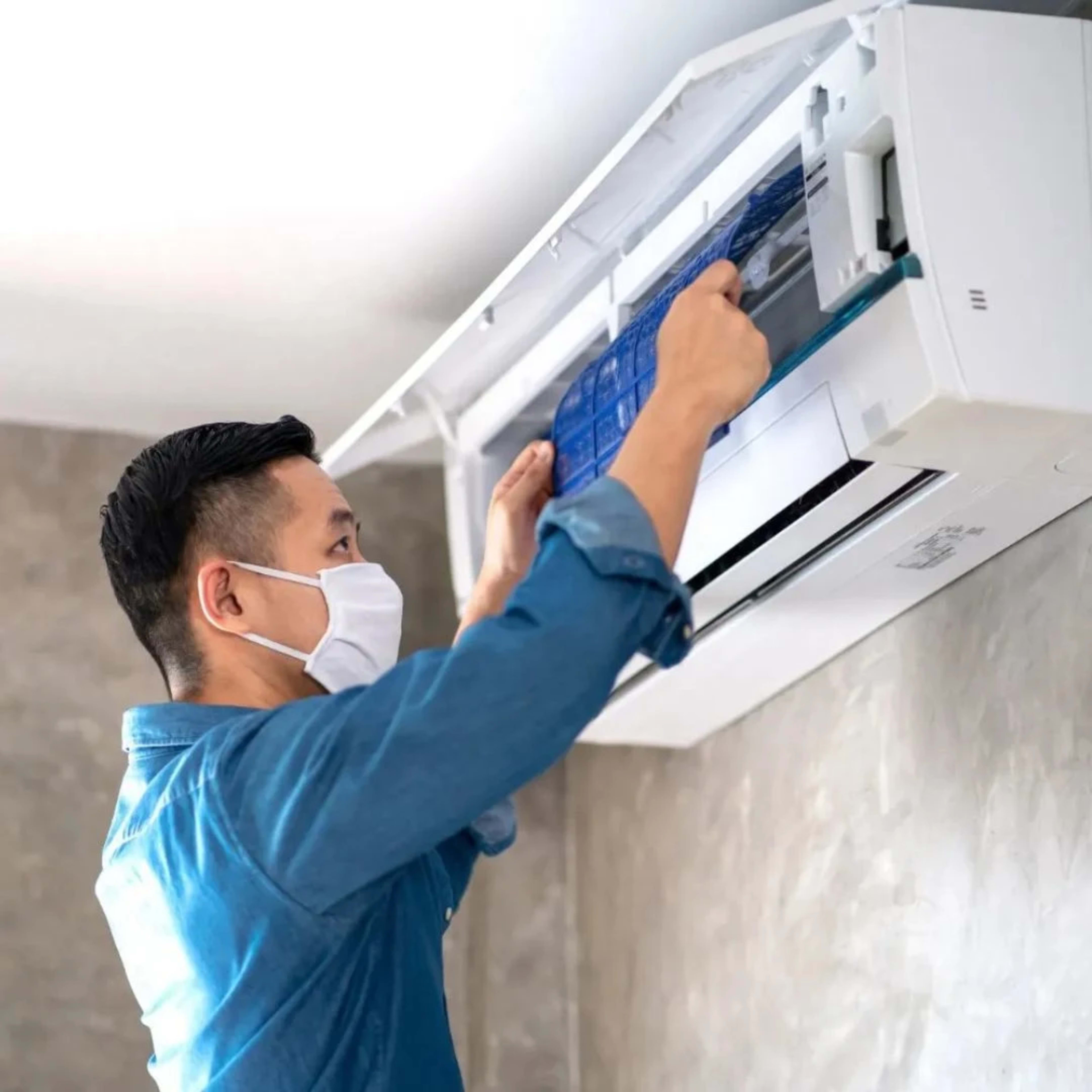
General servicing is routine preventive maintenance. Think of it as a regular health check and tune-up for your cooling system.
During general servicing, technicians typically:
- Wash air filters and front covers
- Brush evaporator cooling fins
- Clear and vacuum the water drainage line
- Check compressor gas pressure and electrical contacts
- Conduct operational airflow and temperature tests
Best for: Air conditioners that are maintained regularly every 3 to 4 months and are cooling fine without bad odors or water leaks.
What Is Aircon Chemical Servicing?
Chemical servicing is a deep restorative cleaning process. Instead of simple dry brushing, technicians use specialized, non-corrosive chemical solutions directly on the internal components to dissolve stubborn, ingrained contaminants.
During chemical servicing, technicians:
- Apply chemical cleaners to the indoor evaporator coils
- Deep flush the drainage tray and drain pipes
- Remove thick jelly, algae, and mold colonies
- High-pressure rinse all treated parts thoroughly with clean water
Best for: Aircons that haven't been serviced in over 6 months, units blowing weak or warm air, or systems producing musty odors.
Summary Comparison
| Feature | General Servicing | Chemical Servicing |
|---|---|---|
| Recommended Frequency | Every 3–4 months | Every 6–12 months |
| Cleaning Method | Water wash filters & brush coils | Specialized chemical wash & flush |
| Solves Odors? | Mild dust odors only | Eliminates mold & bacterial smells |
| Solves Stubborn Leaks? | Temporary flush | Thoroughly dissolves jelly blockages |
Which Should You Choose?
If your aircon is running smoothly and you just want to keep electricity bills low and air clean, stick with General Servicing. However, if you notice weak airflow, lingering musty smells, or persistent water dripping, upgrading to a Chemical Service is the most cost-effective fix.
Air-conditioning systems naturally collect dust, dirt, moisture, and other contaminants during normal operation. While regular servicing can handle routine maintenance, some systems eventually become too heavily contaminated for standard cleaning to provide satisfactory results. This is where chemical servicing and chemical overhaul can become useful.
Chemical cleaning is a more intensive maintenance approach designed to remove accumulated dirt from components that are difficult to clean effectively through ordinary servicing. It can be particularly helpful when an aircon has been neglected for an extended period or when airflow and cooling performance have deteriorated because of heavy contamination.
What Is Chemical Aircon Servicing?
Chemical servicing involves using suitable cleaning solutions to remove stubborn dirt, grease, biological buildup, and other contaminants from air-conditioning components.
The process normally focuses on areas such as the evaporator coil, fan blower, drain tray, and other internal components. The exact procedure depends on the aircon model and the condition of the unit.
Chemical servicing should be performed carefully. Air-conditioning components contain electrical parts and delicate surfaces, so the cleaning method needs to protect components that should not be exposed directly to cleaning chemicals or excessive water.
When Is Chemical Servicing Necessary?
Not every aircon requires chemical servicing. Routine maintenance may be sufficient when the system is reasonably clean and operating normally.
Chemical cleaning may be considered when there are signs such as:
- Heavy dirt accumulation
- Poor airflow despite regular filter cleaning
- Persistent unpleasant odours
- Significant dust buildup inside the fan coil
- Poor cooling performance caused by restricted airflow
- Dirty evaporator coils
- Drainage problems associated with internal contamination
- Long periods without professional servicing
A technician should inspect the system before recommending chemical cleaning. The objective is to choose a maintenance procedure based on the actual condition of the unit.
Standard Servicing vs Chemical Servicing
Standard aircon servicing generally focuses on routine cleaning and inspection. Chemical servicing goes further by targeting accumulated contamination in areas that may not be adequately cleaned through basic maintenance.
For example, an air filter can be removed and washed relatively easily. However, dirt may also accumulate deeper inside the fan coil, blower wheel, evaporator coil, and drain tray.
If these components are heavily contaminated, simply washing the filter will not solve the underlying problem.
Chemical cleaning can therefore be considered a deeper maintenance procedure rather than simply a more expensive version of ordinary servicing.
What Is Chemical Overhaul?
Chemical overhaul is generally a more comprehensive cleaning procedure for an air-conditioning unit. It may involve more extensive dismantling of accessible components so that internal areas can be cleaned properly.
The purpose is to restore cleanliness to components that have accumulated substantial contamination over time.
Depending on the aircon model and condition, the technician may access the fan blower, evaporator coil, drain pan, and other areas requiring intensive cleaning.
Chemical overhaul is especially relevant when an aircon has been neglected for a long period or when repeated basic servicing has not adequately resolved performance issues caused by internal dirt.
Why Dirty Fan Blowers Cause Problems
The fan blower is responsible for circulating air through the indoor unit. Dirt buildup on the blower can affect the amount of air that moves through the system.
As contamination increases, the blower may become less effective at moving air. Users may notice weaker airflow even though the aircon is technically running.
A heavily contaminated blower can also contribute to unpleasant smells because dust and moisture can accumulate on its surfaces.
Cleaning the blower during an intensive service can therefore improve the cleanliness and airflow condition of the indoor unit.
Evaporator Coil Cleaning
The evaporator coil absorbs heat from indoor air. When dirt accumulates on the coil, airflow and heat transfer can be affected.
Cleaning the coil is an important part of intensive aircon maintenance. The technician needs to use a suitable cleaning method that removes contamination without damaging the coil's fins or surrounding components.
After cleaning, the system can be checked to ensure that airflow and cooling performance are operating as expected.
Drain Tray and Drainage Maintenance
The drain tray collects condensate water generated during the cooling process. Dirt, sludge, and other contaminants can accumulate in the tray over time.
If the drainage path becomes restricted, water may not flow away properly. This can contribute to water leakage from the indoor unit.
Chemical cleaning can help remove stubborn contamination from areas where ordinary cleaning may not be sufficient. However, if a drainage pipe has a structural issue or severe blockage, separate repair or drainage work may still be necessary.
Chemical Cleaning and Air Quality
An air-conditioning system continuously circulates indoor air. When internal components are heavily contaminated, unwanted particles and odours may affect the quality of the air coming from the unit.
Cleaning the internal components can reduce accumulated dirt and help maintain a cleaner air-conditioning system.
However, chemical servicing should not be presented as a replacement for general indoor cleanliness or ventilation. Air quality depends on many factors, including room ventilation, dust sources, filters, humidity, and the overall building environment.
How Often Should Chemical Servicing Be Done?
Chemical servicing should not necessarily be performed at every maintenance visit. The appropriate frequency depends on the system's condition and operating environment.
A well-maintained unit may only require routine servicing. A heavily used system operating in a dusty environment may require more intensive cleaning.
Instead of following a fixed schedule blindly, it is better to inspect the condition of the aircon and determine whether standard servicing is still sufficient.
Benefits of Chemical Overhaul
A properly performed chemical overhaul can help address heavy contamination and restore cleanliness to internal components.
Potential benefits include:
- Improved airflow
- Cleaner internal components
- Reduction of accumulated dirt
- Better drainage cleanliness
- Improved cooling performance when contamination was the cause
- Reduction of persistent odours caused by internal buildup
- Better overall condition of the indoor unit
The result depends on the actual condition of the system. Chemical cleaning cannot repair defective electrical components, refrigerant leaks, damaged motors, or other mechanical faults.
When Cleaning Is Not Enough
One of the most important aspects of aircon maintenance is identifying the difference between a cleaning problem and a technical fault.
If an aircon remains poorly cooled after proper cleaning, the system may require further diagnosis. Possible causes can include refrigerant-related problems, compressor issues, faulty sensors, blocked airflow, electrical faults, or problems with other components.
Similarly, unusual electrical behaviour cannot be solved simply by applying chemical cleaning.
A professional inspection helps determine whether the appropriate solution is servicing, chemical cleaning, gas-related work, repair, or component replacement.
Professional Chemical Servicing
Chemical servicing requires appropriate preparation and care. Electrical components need to be protected, surrounding surfaces need to be covered, and cleaning chemicals should be used according to the condition and material of the component.
After cleaning, components should be properly reassembled and the system tested.
A professional approach focuses not only on making the unit look clean but also on ensuring that the aircon operates correctly after maintenance.
Final Thoughts
Chemical servicing and chemical overhaul are valuable maintenance options when standard aircon servicing is no longer sufficient. They can address heavy contamination in fan coils, evaporator coils, blowers, drain trays, and other internal areas.
The key is choosing the correct service based on the actual condition of the aircon. Routine servicing should remain the foundation of maintenance, while chemical cleaning can be used when deeper cleaning is required.