Blog
Explore Blogs
8 min read
The Complete Aircon Dismantle and Reinstallation Guide for Home Renovations
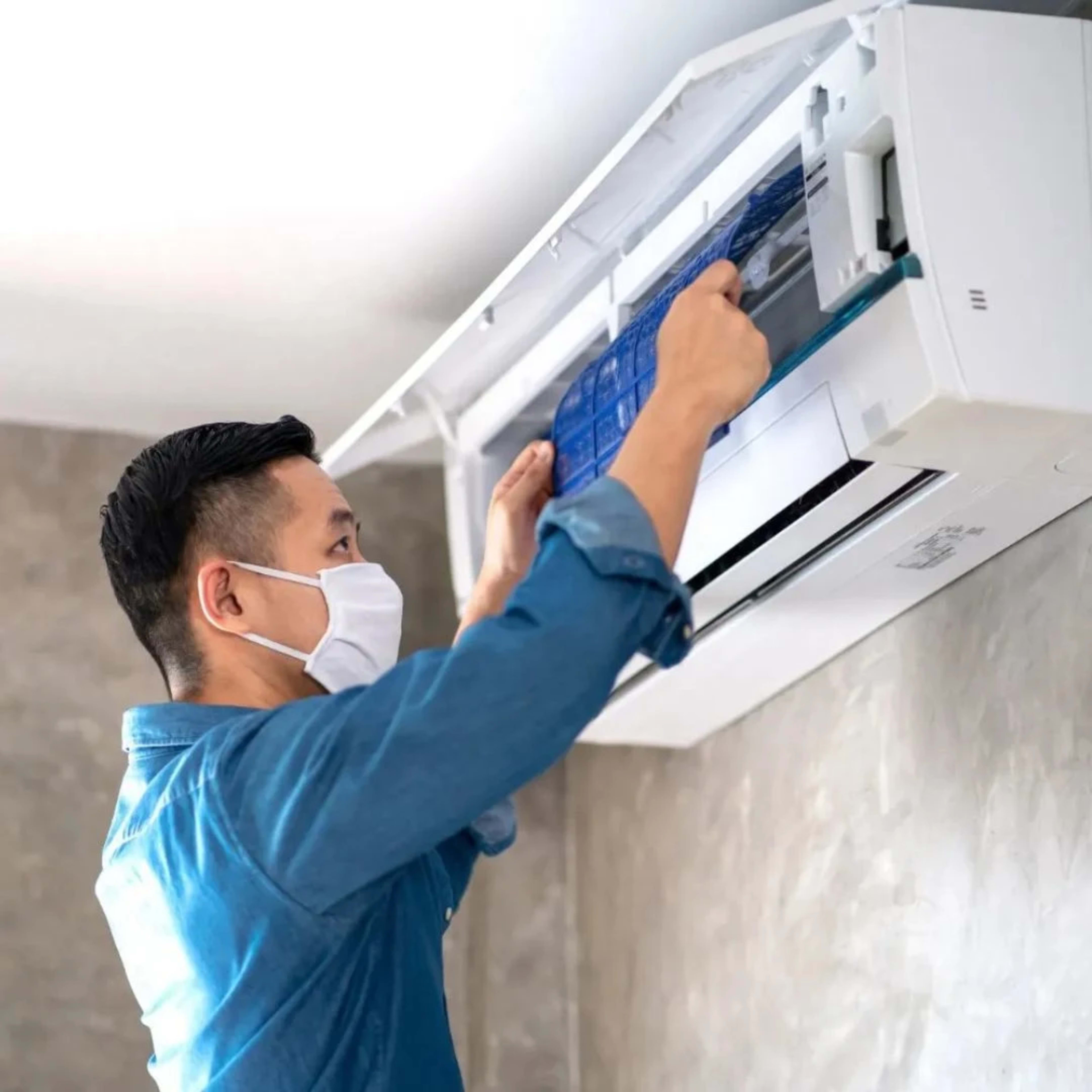
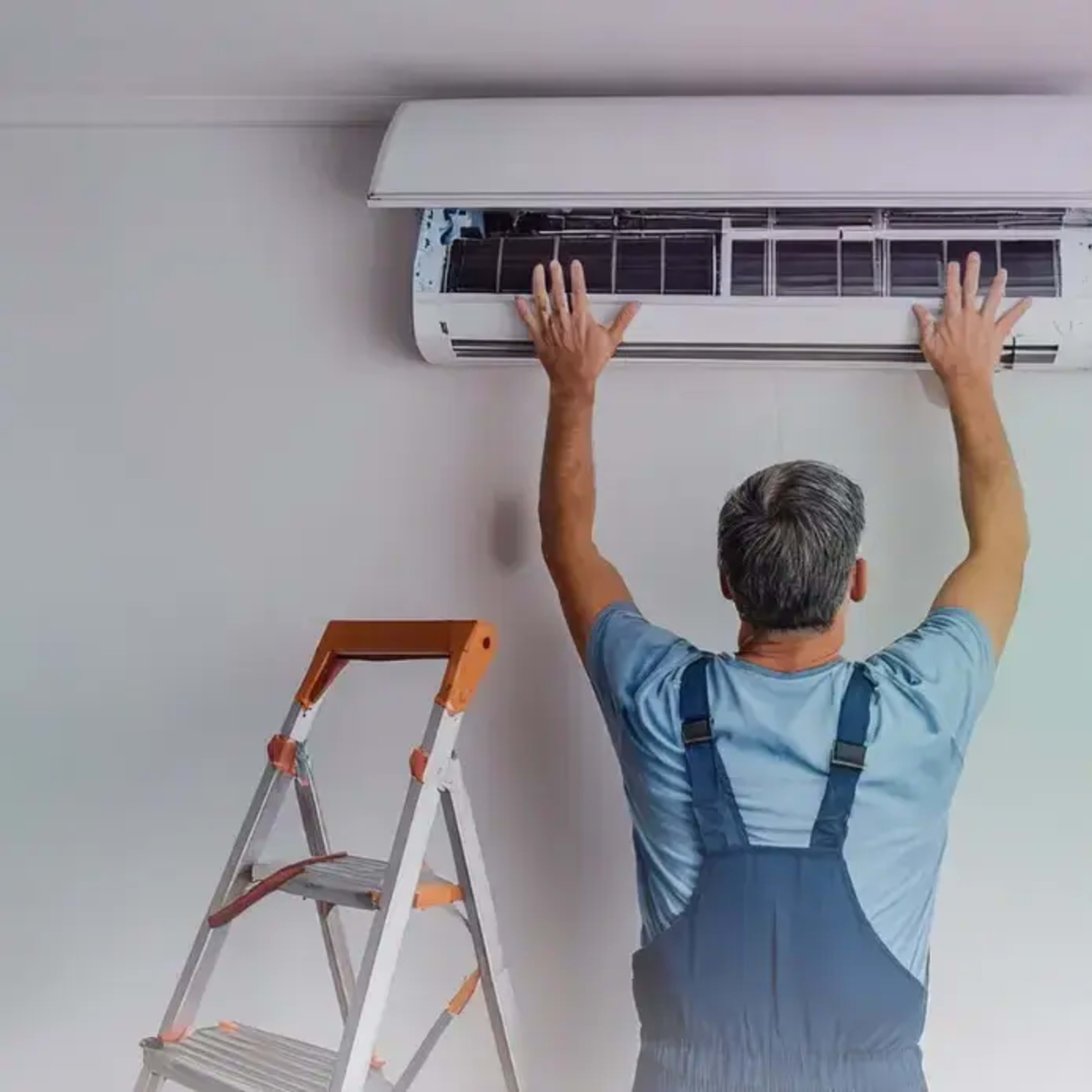
Embarking on a major home renovation, HDB wall hacking, or whole-house painting project? One critical mistake homeowners make is leaving their aircon units hanging on walls unprotected during construction. Fine concrete dust and paint fumes will permanently choke cooling coils and ruin internal fan bearings. Here is why proper dismantling and reinstallation is essential. ## Step 1: Professional Refrigerant Pump-Down Before taking down an aircon unit, technicians perform a **pump-down sequence** using the outdoor compressor. This traps 100% of the existing refrigerant gas safely inside the outdoor unit valves, preventing gas loss and saving you refilling costs later. ## Step 2: Safe Pipe Sealing and Dismounting Once the gas is trapped, copper lines are disconnected and immediately capped off with moisture-proof seals. The indoor units are safely removed and stored away in clean dust-free boxes. ## Step 3: Post-Renovation Reinstallation After renovation works are completed and dust has settled: 1. Wall mounting brackets are re-anchored securely. 2. Indoor units are remounted and copper flare connections re-joined. 3. Technicians run a **deep vacuum pump** to purge moisture from the piping network before releasing the gas back into the circuit. Regular aircon servicing is one of the most effective ways to keep an air-conditioning system operating efficiently, comfortably, and reliably. Whether the system is installed in a home, office, shop, restaurant, or commercial building, routine servicing helps maintain airflow, cooling performance, and indoor air quality while reducing the likelihood of unexpected breakdowns. An air-conditioning system operates continuously by circulating air through filters, fan coils, coils, drainage components, and other internal parts. Over time, dust, dirt, moisture, and other contaminants can accumulate inside the unit. When these components become dirty, the system may need to work harder to achieve the same cooling level. This can result in weaker airflow, longer cooling times, unpleasant odours, and higher energy consumption. ## Why Regular Aircon Servicing Is Important Many aircon problems begin with small issues that are difficult to notice during normal daily use. A unit may still produce cool air even though its filter is heavily blocked or its evaporator coil is gradually becoming dirty. Without regular maintenance, the problem can become more serious. Routine servicing allows technicians to inspect and clean important components before they significantly affect system performance. A properly maintained aircon can provide more consistent cooling and reduce unnecessary strain on the compressor and other components. Regular servicing is particularly useful in environments where the aircon operates for many hours each day. Offices, retail spaces, restaurants, classrooms, and other busy locations can accumulate dust more quickly than lightly used residential spaces. ## What Is Included in Aircon Servicing? A standard aircon service generally involves inspection, cleaning, and basic performance checks. The exact work depends on the type and condition of the system. The technician may begin by checking the overall condition of the indoor and outdoor units. Filters are inspected and cleaned to remove accumulated dust. The fan coil area is checked for dirt and airflow restrictions, while the drainage system is inspected for signs of blockage. The evaporator coil is also an important part of the inspection. Dirt accumulation on the coil can reduce heat transfer and affect cooling performance. Cleaning this component can help restore proper airflow and cooling efficiency. The outdoor condenser unit should also be inspected. Leaves, dust, and other debris can restrict airflow around the condenser. Proper airflow is essential because the outdoor unit releases the heat collected from the indoor environment. ## Air Filter Cleaning Air filters are among the easiest components to overlook. Their primary function is to trap airborne particles before they enter deeper into the air-conditioning system. When filters become clogged, less air can pass through the unit. The fan may need to work harder, while the cooling system may take longer to achieve the desired room temperature. Cleaning the filters as part of routine servicing helps maintain airflow and supports better overall system performance. The recommended cleaning frequency depends on usage, indoor air conditions, and the surrounding environment. ## Fan Coil Inspection The fan coil unit is responsible for moving and cooling air inside the room. Dust accumulation around the fan, coil, and internal surfaces can gradually reduce performance. During servicing, the technician can inspect the fan coil for visible dirt, unusual noise, water accumulation, and other signs of potential problems. If the fan coil is significantly dirty, standard servicing may not be sufficient and a more intensive cleaning procedure may be recommended. ## Drainage System Inspection Water produced during the cooling process needs to drain away correctly. The aircon drainage system carries condensate water from the indoor unit to an appropriate drainage point. A partially blocked drain may cause water to collect inside the unit and eventually leak into the room. During servicing, the drainage line and drain pan can be inspected and cleaned where necessary. This is particularly important when an aircon has previously experienced water leakage. ## Condenser Cleaning The condenser is located in the outdoor unit and plays an important role in releasing heat. Dust and debris can accumulate on the condenser coil and restrict airflow. A dirty condenser can reduce the efficiency of heat transfer and cause the system to operate under greater strain. Cleaning the condenser helps maintain proper airflow and heat rejection. For outdoor units exposed to dusty or polluted environments, condenser cleaning may need to be performed more frequently. ## Signs Your Aircon Needs Servicing Several signs may indicate that an aircon requires professional attention. These can include: Reduced cooling performance Weak airflow Unusual sounds Unpleasant smells Water dripping from the indoor unit Longer cooling times Frequent cycling Excessive dust around the aircon Unusual increases in electricity consumption Airflow that feels inconsistent One symptom does not necessarily indicate one specific fault. For example, poor cooling may be caused by dirty filters, dirty coils, refrigerant-related problems, airflow restrictions, or component faults. A proper inspection helps identify the actual cause. ## Servicing Versus Repair Aircon servicing and aircon repair are related but different services. Servicing focuses primarily on cleaning, inspection, maintenance, and performance checks. Repair work is required when a component or part has developed a fault. For example, cleaning a dirty evaporator coil is a servicing task. Replacing a faulty fan motor is a repair task. In some situations, servicing may identify a component that requires repair or replacement. Addressing smaller issues during routine maintenance can help prevent them from developing into larger problems. ## How Often Should Aircon Servicing Be Done? There is no single servicing interval that is suitable for every installation. Usage frequency, operating hours, indoor environment, dust levels, and system type all affect maintenance requirements. An aircon used occasionally in a relatively clean residential room may require less frequent servicing than a commercial system operating throughout the day. For heavily used systems, regular professional inspection is particularly valuable. Instead of waiting until the aircon stops cooling, scheduled servicing allows potential problems to be identified earlier. ## Benefits of Professional Aircon Servicing Professional servicing provides more than basic surface cleaning. A trained technician can inspect different parts of the system and identify symptoms that may not be obvious to the user. ## Proper maintenance can help support: - Better airflow - More consistent cooling - Cleaner internal components - Reduced risk of drainage problems - Improved heat transfer - More reliable operation - Early identification of faults - Longer service life of components Maintenance cannot eliminate every possible breakdown, but it can reduce avoidable problems caused by dirt, blocked drainage, poor airflow, and neglected components. ## Choosing the Right Aircon Service When arranging aircon servicing, it is important to explain the symptoms and usage conditions to the technician. If the unit is not cooling properly, leaking water, producing unusual noise, or developing an odour, mentioning these symptoms can help guide the inspection. A good service should focus on the actual condition of the system rather than applying the same procedure to every unit. Some systems may only require routine cleaning, while heavily contaminated or poorly performing systems may require chemical servicing, repair work, or other specialised maintenance. ## Final Thoughts Aircon servicing is a practical part of responsible air-conditioning maintenance. Regular inspection and cleaning help keep filters, coils, fans, drainage components, and outdoor units in better operating condition. Instead of waiting for a major breakdown, regular servicing allows potential problems to be identified earlier. For residential and commercial air-conditioning systems alike, a consistent maintenance routine can contribute to better comfort, cleaner airflow, and more dependable performance throughout the year. Protect your valuable air conditioning investment during home upgrading by booking professional dismantling services before contractors start hacking walls!
7 min read
Fan Coil Cleaning: How to Improve Indoor Air Quality & Airflow
Did you know that indoor room air recycles through your aircon unit 5 to 10 times every hour? If internal fan coil cooling fins are dirty, your family breathes in recirculated dust, pet dander, and fungal spores throughout the night. Here is how targeted fan coil cleaning improves air hygiene and cooling speed. ## What Is the Fan Coil Unit (FCU)? The fan coil unit is the core heat-exchange module located inside your bedroom or living room split air conditioner. Warm room air passes through the cooling fins, dropping in temperature before blowing back into the room. ## How Dirty Fan Coils Harm Your Health & Comfort **1. Respiratory Irritation and Allergies** Dark, damp spaces inside dusty cooling fins are prime breeding grounds for mold colonies. Operating a dirty fan coil can trigger morning sinus congestion, coughing, and asthma flare-ups. **2. Reduced Air Throw Distance** When dust coats the cylindrical blower wheel blades behind the coil, the blades lose their aerodynamic scoop shape. Air throw distance drops drastically, leaving distant room corners warm. ## Steps in Professional Fan Coil Cleaning - Anti-bacterial surface brushing of aluminum fins - Blower wheel blade dust extraction - Sanitizing spray treatment to stop mold recurrence - Filter mesh washing ## Why Preventive Aircon Maintenance Matters Air-conditioning systems are often used for many hours every day. Over time, dust, dirt, moisture, mechanical wear, electrical problems, drainage issues, and other conditions can affect performance. Preventive maintenance focuses on identifying and addressing these conditions before they become major breakdowns. Instead of waiting until an aircon stops cooling, preventive maintenance provides a structured approach to cleaning, inspection, testing, and repair. This approach is useful for homes, offices, shops, restaurants, commercial buildings, and larger facilities. ## What Is Preventive Aircon Maintenance? Preventive maintenance is planned service performed to keep an air-conditioning system in suitable operating condition. It can include: - Filter cleaning - Fan coil cleaning - Condenser cleaning - Drainage inspection - Chemical servicing when required - Refrigerant checks - Electrical inspection - PCB inspection - Performance testing - Early fault identification The exact maintenance plan depends on the aircon type and operating environment. ## Why Waiting for a Breakdown Can Be Expensive When an aircon completely fails, the problem may already involve a significant component. For example, poor cooling may initially be caused by dirt or restricted airflow. If the condition is ignored, the system may continue operating under unsuitable conditions. Similarly, repeated water leakage may cause damage to surrounding areas if the drainage problem is not addressed. Preventive maintenance aims to identify such problems earlier. ## Air Filter Maintenance Filters should be checked regularly. A blocked filter can restrict airflow and reduce the effectiveness of the aircon. Cleaning or replacing filters according to the equipment requirements can help maintain proper airflow. The required frequency depends on usage and the environment. ## Fan Coil Maintenance The indoor fan coil should be inspected for dust and contamination. Areas of interest may include: - Fan blower - Evaporator coil - Drain tray - Internal surfaces - Airflow passages If contamination is heavy, chemical servicing may be recommended. ## Condenser Maintenance The outdoor condenser is exposed to environmental dust and debris. A dirty condenser can restrict airflow and affect heat transfer. Regular condenser inspection and cleaning help maintain the outdoor unit. Adequate clearance around the condenser should also be maintained. ## Drainage Maintenance Drainage is one of the most important parts of aircon maintenance. Indoor units produce condensation during cooling. If the drain tray or pipe becomes blocked, water can leak into the occupied space. Preventive maintenance should therefore include inspection of the drainage system. ## Refrigerant System Checks Refrigerant is part of the aircon's closed cooling circuit. If refrigerant is repeatedly lost, a leak may need to be investigated. A gas top up should not automatically be treated as routine maintenance. If refrigerant is low, the technician should determine whether there is a reason for the low charge and whether repair is required. ## Electrical Inspection Air-conditioning systems contain electrical components that control motors, fans, compressors, sensors, and electronic boards. Preventive inspection can help identify abnormal conditions before they cause a complete failure. Electrical work should be performed by appropriately trained professionals. ## PCB Inspection Modern air-conditioning systems rely heavily on printed circuit boards. A PCB problem can produce different symptoms depending on the equipment. Preventive maintenance may include monitoring error conditions and abnormal electronic behaviour. If a PCB fault is suspected, proper diagnosis should be performed before repair or replacement. ## Chemical Servicing Chemical servicing is useful when standard cleaning is no longer sufficient. It may be considered for heavily contaminated indoor units. Chemical cleaning can target the evaporator coil, blower, drain tray, and other accessible components. It should be performed carefully to protect electrical parts and surrounding areas. ## Aircon Maintenance for Offices Office air-conditioning systems can operate for many hours every day. Large numbers of occupants can also contribute to dust and indoor air contamination. Regular maintenance can help keep the system operating consistently. A maintenance plan can also reduce unexpected interruptions during working hours. ## Aircon Maintenance for Shops and Restaurants Retail and food-service environments may have different maintenance requirements. Aircon systems can be exposed to dust, long operating hours, heat, and other environmental factors. Regular filter, fan coil, condenser, and drainage maintenance can help maintain system performance. ## Maintenance for Ceiling Cassette Systems Ceiling cassette systems require attention to indoor filters, fan blowers, evaporator coils, drain trays, and drainage. Because they are installed in ceilings, water leakage should be addressed promptly. Chemical servicing may be considered when internal contamination is significant. ## Maintenance for Ducted Systems Ducted systems require consideration of both the air-conditioning equipment and air distribution network. Maintenance can include filter inspection, indoor unit cleaning, condenser cleaning, drainage checks, grille inspection, and ductwork assessment. Uneven airflow between rooms should be investigated. ## Maintenance for VRV/VRF Systems VRV/VRF systems require a broader maintenance approach because multiple indoor units can operate through connected outdoor equipment. Maintenance can include: - Indoor unit servicing - Condenser cleaning - Drainage checks - Refrigerant inspection - Electrical checks - PCB and control inspection - Communication checks - Performance testing The maintenance schedule should reflect system usage and manufacturer requirements. ## Installation and Maintenance Relationship Good maintenance starts with good installation. Correct unit placement, drainage, refrigerant piping, electrical connections, and service access can make future maintenance easier. If an aircon has recurring drainage, airflow, or performance problems, the original installation should sometimes be reviewed. ## Dismantling and Reinstallation When an aircon is relocated, the system should be inspected during dismantling and reinstallation. The technician can check the condition of piping, drainage, wiring, mounting components, indoor equipment, and outdoor equipment. Testing after reinstallation is essential. ## Maintenance Records Commercial properties can benefit from keeping maintenance records. Records can include: - Service dates - Cleaning performed - Problems identified - Repairs completed - Parts replaced - Refrigerant-related work - Recurring faults - Recommended future maintenance Good records can help identify recurring problems and support better maintenance planning. ## Signs That Maintenance Is Overdue Common signs include: - Weak airflow - Poor cooling - Water leakage - Unpleasant smell - Dirty filters - Dirty condenser - Longer cooling time - Unusual sounds - Repeated technical problems These signs should be investigated rather than ignored. ## Benefits of a Planned Maintenance Program A planned maintenance program can help provide: - More consistent cooling - Better airflow - Cleaner components - Early fault identification - Reduced unexpected downtime - Better drainage maintenance - Improved system monitoring - More predictable maintenance costs Preventive maintenance does not eliminate every possible failure, but it provides a more structured way to manage air-conditioning equipment. ## Final Thoughts Complete aircon maintenance should cover more than simple filter cleaning. Depending on the equipment, a comprehensive maintenance approach may include fan coil servicing, condenser cleaning, drainage inspection, chemical cleaning, refrigerant checks, electrical inspection, PCB diagnosis, and performance testing. Different systems require different maintenance strategies. Wall-mounted split units, ceiling cassette systems, ducted systems, and VRV/VRF installations all have their own technical requirements. Regular preventive maintenance and timely repair can help keep air-conditioning systems operating reliably and provide a more comfortable indoor environment. Clean fan coils ensure your home air stays fresh, crisp, and safe for young children and seniors.
7 min read
Installing a New vs. 2nd Hand Aircon in Singapore: Pros, Cons & Costs
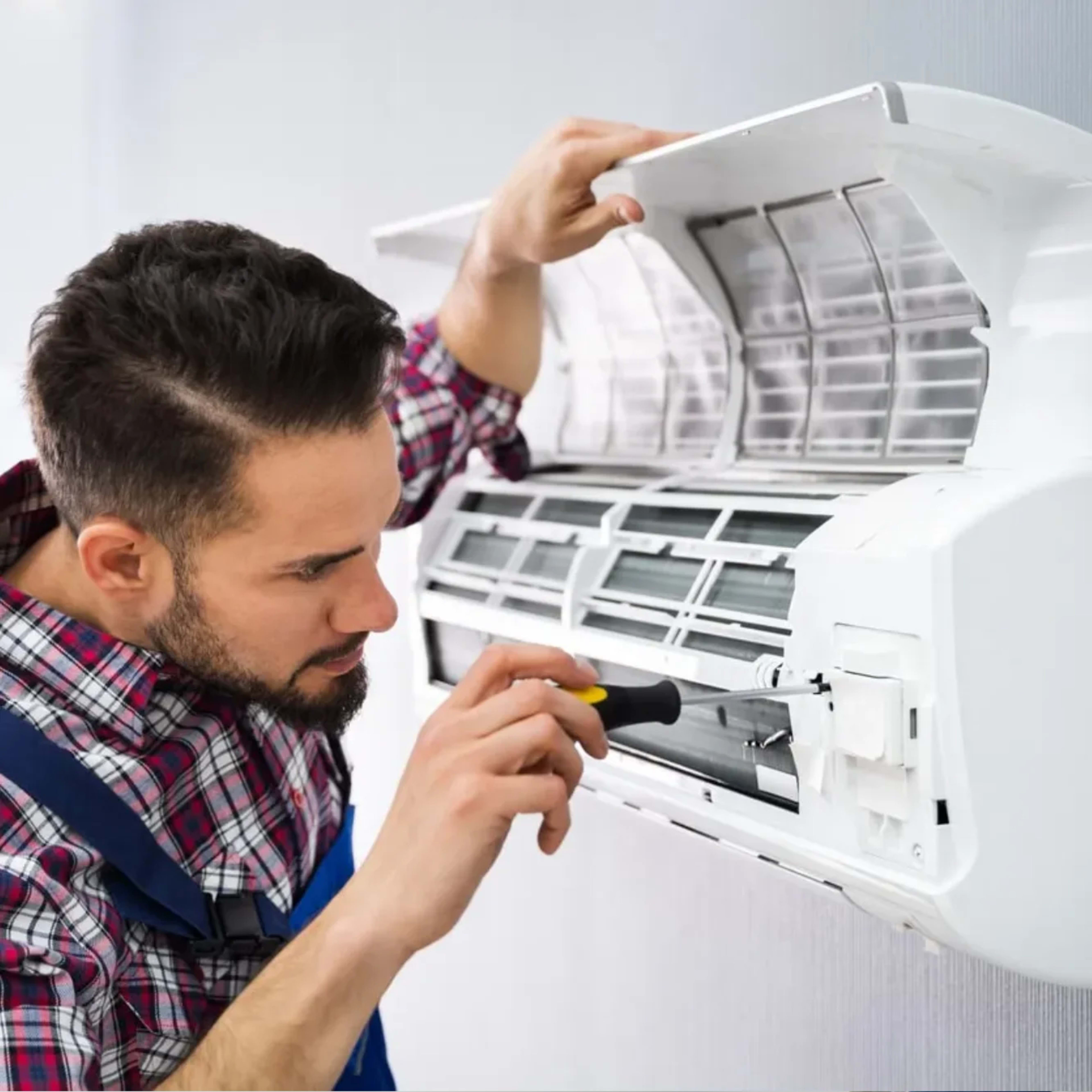
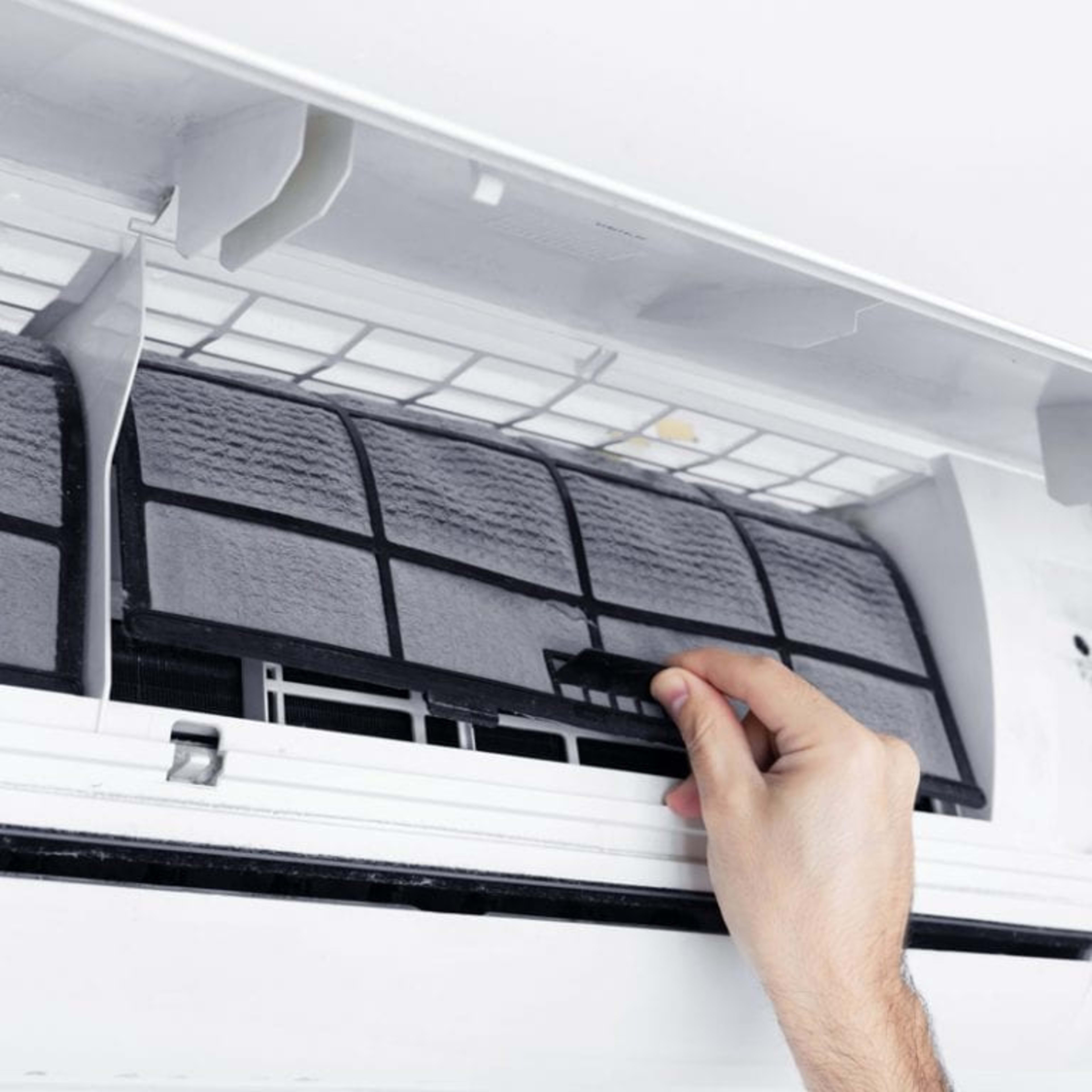
When replacing an old air conditioner or fitting out a newly bought HDB flat or rental unit in Singapore, you'll need to choose between purchasing a **brand-new aircon system** or a **reconditioned 2nd-hand unit**. Here is an honest breakdown of costs, efficiency, and reliability to help you decide. ## Buying Brand-New Aircon Systems **Pros:** - **Highest Energy Efficiency:** Modern 5-tick NEA-rated inverter systems drastically lower long-term power bills. - **Manufacturer Warranty:** Comes with 1-year general warranty and 5-year compressor coverage from brands like Daikin or Mitsubishi. - **Latest Features:** Smart Wi-Fi connectivity, air purification filters, and ultra-quiet fan motors. **Cons:** - Higher upfront purchase cost (e.g., $2,500 – $3,800 for System 3/4). ## Buying Reconditioned 2nd Hand Aircon Systems **Pros:** - **Significant Upfront Savings:** Costs roughly 40% to 60% less than a brand-new system. - **Ideal for Short-Term Needs:** Perfect for rental properties or flats planned for resale within 1 to 3 years. - **Fully Serviced Units:** Professional installers chemically overhaul and test 2nd-hand units before installation. **Cons:** - Shorter warranty period (typically 3 to 6 months installer warranty). - Slightly higher power consumption compared to latest 5-tick models. ## Essential Installation Quality Checklist Regardless of choosing new or 2nd-hand, ensure your installer uses high-grade materials: - **G23 Heavy-Duty Copper Pipes (0.71mm thickness)** to prevent pressure leaks - **1/2 Inch Thick Armaflex Insulation** to eliminate ceiling pipe sweating - **Proper Vacuum Line Evacuation** prior to releasing gas ## Why Proper Aircon Installation Matters Air-conditioning installation has a direct effect on system performance, reliability, drainage, and long-term maintenance. A high-quality aircon can still experience problems if it is installed incorrectly. Poor positioning, inadequate drainage, unsuitable refrigerant piping, restricted outdoor airflow, or improper electrical work can all affect the operation of the system. Professional installation considers the equipment, building layout, room requirements, airflow, drainage, piping, electrical requirements, and future maintenance access. ## New Aircon Installation Installing a new air-conditioning unit involves more than mounting the indoor and outdoor units. The installation process needs to consider where each unit should be positioned and how the refrigerant piping, drainage, electrical connections, and controls will be routed. The indoor unit should be positioned so that conditioned air can circulate effectively through the room. The outdoor unit should have adequate airflow and sufficient clearance around it. ## Choosing the Right Location Location is one of the most important installation decisions. The indoor unit should be installed in a suitable position where airflow can distribute effectively without unnecessary obstruction. The outdoor unit should be positioned where heat can be released efficiently. Technicians should also consider future servicing access. An outdoor unit that is extremely difficult to access can make future maintenance and repair more complicated. ## Indoor Unit Installation The indoor unit needs to be mounted securely and aligned appropriately. The installation should consider: - Wall or ceiling structure - Airflow direction - Drainage - Refrigerant piping - Electrical wiring - Service access - Room layout For ceiling cassette and ducted systems, installation requirements are different from standard wall-mounted split units. ## Outdoor Unit Installation The outdoor condenser requires sufficient ventilation. If the surrounding area restricts airflow, the unit may have difficulty releasing heat. The installation location should therefore provide suitable clearance and avoid unnecessary obstruction. The outdoor unit should also be mounted securely to reduce vibration and noise. ## Refrigerant Piping The indoor and outdoor units are connected through refrigerant piping. Correct piping installation is important for system performance. The piping route should be planned carefully, and connections should be made using appropriate procedures. Poor connections can contribute to refrigerant leakage and future cooling problems. ## Drainage Installation The indoor unit produces condensation during normal cooling. This water must be directed away through a suitable drainage system. Drainage piping should be installed with appropriate routing and slope where required so that water can flow away effectively. Poor drainage installation can lead to water leakage from the indoor unit. ## Electrical Requirements Air-conditioning systems require appropriate electrical connections. The electrical installation should be suitable for the equipment and building requirements. Incorrect electrical work can affect system operation and create safety risks. Electrical connections should therefore be handled by appropriately trained professionals. ## Installation of Second-Hand Aircon Second-hand air-conditioning equipment can be reused when the equipment is in suitable condition. However, second-hand units should be inspected before installation. The technician may assess: - Indoor unit condition - Outdoor unit condition - Fan operation - Coil condition - Drainage - Electrical components - Refrigerant system - General operating performance Cleaning and repair may be required before the equipment is installed at its new location. ## Why Second-Hand Inspection Matters A second-hand aircon may have an unknown maintenance history. It could have been used in a dusty environment, operated for long hours, or experienced previous repairs. Inspecting the equipment before installation can help identify potential problems. This allows the owner to make a more informed decision about whether the equipment is suitable for reuse. ## Cleaning Before Installation Second-hand equipment may benefit from professional cleaning before installation. The indoor unit can contain accumulated dust, while the outdoor condenser may also require cleaning. If the system is heavily contaminated, chemical servicing may be appropriate. Starting with a clean system can make it easier to assess its actual operating condition after installation. ## Testing After Installation An aircon should be tested after installation. Testing can include: - Cooling operation - Airflow - Drainage - Indoor fan operation - Outdoor fan operation - Temperature response - Electrical operation - Unusual noise or vibration - General system performance Testing helps identify installation-related issues before the system enters regular use. ## Installation for Ceiling Cassette Units Ceiling cassette installation requires careful planning because the unit is integrated into the ceiling. The technician needs to consider ceiling structure, drainage, airflow, access for maintenance, refrigerant piping, and electrical connections. The drain system is particularly important because water leakage above a ceiling can cause significant inconvenience. ## Installation for Ducted Systems Ducted aircon installation requires planning of the duct network as well as the indoor and outdoor units. Air distribution should be considered so that different areas receive appropriate airflow. The location of grilles, return air paths, filters, dampers, and duct routes can affect system performance. Future maintenance access should also be considered during installation. ## Installation for VRV/VRF Systems VRV/VRF installations are more complex because multiple indoor units can connect to larger outdoor systems. Installation planning may include refrigerant piping, indoor unit locations, outdoor unit capacity, controls, communication wiring, drainage, and zoning. The system should be installed according to the equipment requirements and appropriate technical procedures. ## New vs Second-Hand Installation A new aircon typically comes with known equipment specifications and a known installation history. A second-hand unit may offer a practical reuse option, but its condition should be assessed carefully. The decision should consider the equipment's condition, expected service life, repair requirements, installation cost, and availability of parts. ## Common Installation Problems Poor installation can contribute to problems such as: - Water leakage - Weak cooling - Refrigerant leakage - Excessive vibration - Unusual noise - Poor airflow - Drainage problems - Difficult maintenance access Proper planning and installation can reduce the likelihood of these issues. ## Importance of Professional Installation Aircon installation involves refrigeration, mechanical, drainage, and electrical considerations. Professional installation helps ensure that these areas are handled appropriately. It also provides an opportunity to identify potential problems before the system is put into regular operation. ## Final Thoughts Whether installing a new aircon or reusing a second-hand unit, proper installation is essential. A suitable location, correct refrigerant piping, reliable drainage, appropriate electrical connections, adequate outdoor airflow, and proper testing all contribute to long-term system performance. Second-hand aircons should be inspected before installation so that cleaning or repair requirements can be identified early. A carefully planned installation provides a stronger foundation for reliable cooling and easier future maintenance.
7 min read
VRV and VRF Aircon Servicing: Ultimate Guide for Commercial Properties
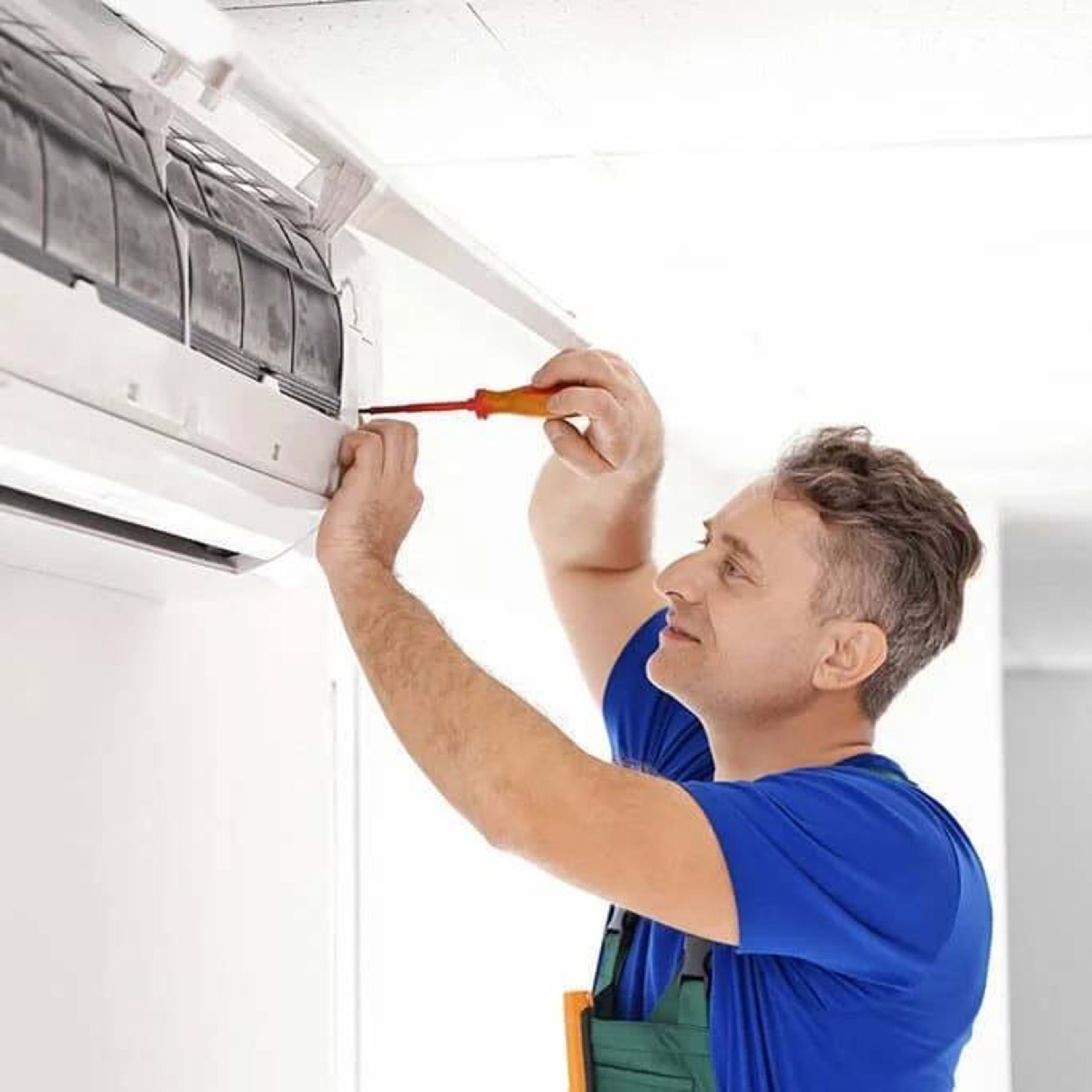
Variable Refrigerant Volume (VRV) and Variable Refrigerant Flow (VRF) systems represent the gold standard for large commercial buildings, industrial spaces, and luxury landed properties in Singapore. By connecting up to 64 individual indoor units to a single modular outdoor condenser bank, VRV/VRF systems deliver incredible energy efficiency. However, their complex electronic controls demand specialized maintenance. ## Key Components Checked During VRV/VRF Maintenance **1. Electronic Expansion Valves (EEV)** Unlike standard split systems that use fixed capillaries, VRV units feature electronic expansion valves that constantly adjust refrigerant flow. Technicians test valve stepping motors to ensure accurate cooling modulation. **2. Modular Inverter Scroll Compressors** Master outdoor units feature multiple scroll compressors operating in tandem. Checking running current, oil levels, and vibration dampeners prevents sudden system-wide failures. **3. Centralized Touch Controllers and Communication Lines** Multi-zone communication cables transfer data between indoor and outdoor modules. Inspecting bus connections prevents communication error codes (like Daikin U4/U5 codes). **4. Condensate Lift Pump & Piping Network** In commercial spaces, long condensate drain lines require routine nitrogen blowouts to prevent blockages across entire office zones. ## Benefits of a Scheduled VRV Maintenance Contract - Minimizes emergency office downtime - Maintains stable temperature control across different departments - Provides detailed operational logs for building management audits ## What Is a Ducted Air-Conditioning System? A ducted air-conditioning system distributes conditioned air through a network of ducts to multiple rooms or zones. Unlike a standard wall-mounted split aircon, a ducted system can provide centralized air distribution across a larger property. Ducted systems are commonly used in offices, larger homes, commercial buildings, retail spaces, and other environments where concealed air distribution is preferred. Because the system contains multiple interconnected components, regular servicing is important for maintaining airflow, cooling performance, drainage, and overall reliability. ## Main Components of a Ducted System A ducted air-conditioning installation can include: - Indoor unit - Outdoor condenser - Ductwork - Supply grilles - Return air grilles - Filters - Dampers - Drainage - Refrigerant piping - Controllers and thermostats - Electrical components Each part contributes to overall system performance. ## Why Ducted System Servicing Is Important A ducted system depends heavily on proper airflow. If filters become blocked or ducts become restricted, the system may struggle to distribute conditioned air effectively. Poor maintenance can also allow dirt to accumulate on the indoor coil, fan, and other components. Regular servicing helps identify and address these conditions. ## Filter Maintenance Filters help remove airborne particles from the air entering the system. When filters become blocked, airflow can decrease. A restricted filter can also increase the operating load on the system. Filter maintenance should therefore be part of routine ducted aircon servicing. The appropriate cleaning or replacement schedule depends on the filter type, usage, and indoor environment. ## Indoor Unit Cleaning The indoor unit contains important airflow and heat-exchange components. Dust can accumulate on the evaporator coil and fan blower. If contamination becomes significant, airflow may decrease and cooling performance can suffer. Professional servicing can inspect and clean these components according to their condition. ## Duct Cleaning Ductwork carries conditioned air throughout the building. Duct cleaning requirements vary according to the age, design, environment, and condition of the system. If significant dust or contamination is present inside the ducts, professional duct cleaning may be considered. The cleaning method should be appropriate for the duct construction and installation. ## Supply Airflow Problems Uneven airflow is a common concern in ducted systems. One room may receive strong airflow while another room receives very little. Possible causes can include: - Blocked filter - Closed or restricted damper - Duct restriction - Poor duct configuration - Damaged duct section - Blocked grille - Indoor unit airflow problem A technician can inspect the system to determine the cause. ## Return Airflow The return air path is also important. Conditioned air needs to circulate through the space and return to the indoor unit so that the system can continue its cooling cycle. Restricted return airflow can affect system performance. Return grilles and filters should therefore be kept clear and properly maintained. ## Drainage Maintenance Ducted indoor units also produce condensation during cooling. The water must be directed through a suitable drainage system. A blocked drain can cause water to accumulate around the indoor unit. Because ducted equipment may be concealed above a ceiling, a drainage problem can sometimes become difficult to notice until it has already caused damage. Regular inspection can help identify drainage issues earlier. ## Condenser Cleaning The outdoor condenser is responsible for releasing heat. Outdoor dust and debris can accumulate on the condenser coil and restrict airflow. Regular condenser cleaning helps maintain heat transfer and outdoor airflow. The outdoor unit should also have sufficient clearance around it. ## Ducted System Not Cooling If a ducted system is not cooling properly, several causes should be considered. Possible issues include: - Dirty filters - Dirty evaporator coil - Dirty condenser - Refrigerant problems - Fan problems - Duct restrictions - Control issues - Sensor faults - Electrical problems Diagnosis should be performed before replacing parts or adding refrigerant. ## Chemical Servicing for Ducted Systems If the indoor unit is heavily contaminated, chemical servicing may be considered. Chemical cleaning can target the evaporator coil, fan components, drain tray, and other accessible areas. The work requires careful protection of electrical components and surrounding ceiling structures. ## VRV/VRF Ducted Applications Some larger air-conditioning installations may combine ducted indoor units with VRV/VRF outdoor systems. These systems require consideration of both airflow distribution and the larger refrigeration and control network. Servicing should therefore consider the indoor ducted unit as well as the connected outdoor equipment. ## Preventive Maintenance Schedule A preventive maintenance plan for ducted systems may include: - Filter inspection - Indoor coil cleaning - Fan inspection - Drainage inspection - Ductwork inspection - Grille inspection - Condenser cleaning - Refrigerant checks - Electrical inspection - Controller checks - Performance testing The schedule should be based on usage and system condition. ## Commercial Ducted Aircon Maintenance Commercial ducted systems often operate for extended hours. A sudden breakdown can affect many rooms or an entire business area. Regular preventive maintenance can help identify problems before they cause major disruption. Businesses may benefit from scheduled maintenance rather than waiting for complaints from occupants. ## Signs Your Ducted System Needs Servicing Common warning signs include: - Uneven room temperatures - Weak airflow - Poor cooling - Water leakage - Unusual noise - Unpleasant smell - Increased operating time - Dirty filters - Visible dust around grilles These symptoms should be investigated rather than ignored. ## Importance of Professional Servicing Ducted systems can contain concealed components that are not easy for a building occupant to inspect. Professional servicing allows technicians to access and assess the relevant components safely. The goal is not only to clean visible surfaces but to maintain the overall airflow, drainage, refrigeration, and control systems. ## Final Thoughts Ducted air-conditioning systems provide effective centralized cooling, but their performance depends on the condition of many connected components. Regular filter maintenance, indoor unit cleaning, duct inspection, drainage maintenance, and condenser cleaning can help keep the system operating properly. When a ducted system is not cooling, weak airflow or water leakage occurs, professional diagnosis can determine whether the solution is servicing, chemical cleaning, repair, or another form of maintenance.
7 min read
Why Outdoor Condenser Cleaning Is Essential for Lower Electricity Bills
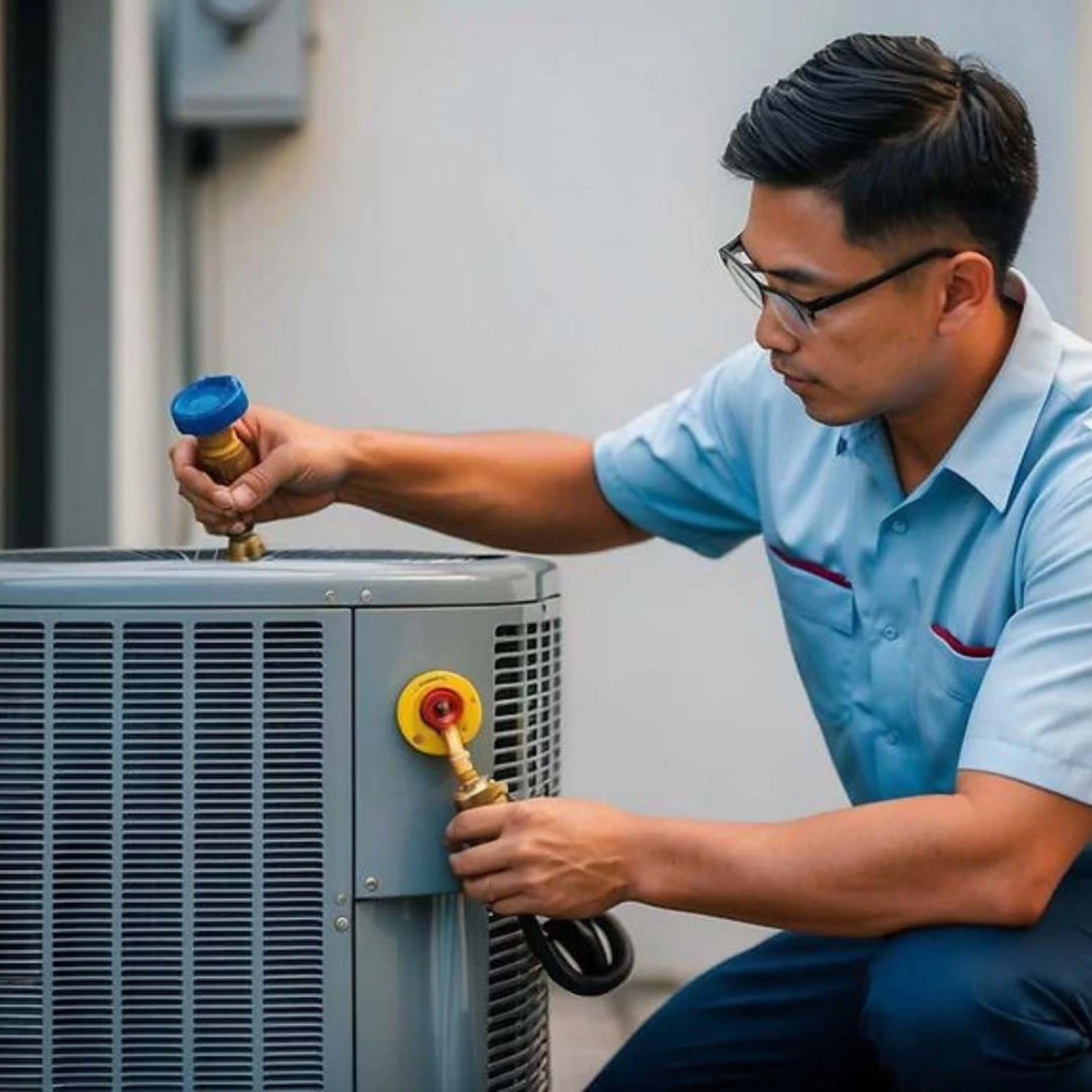
When most Singaporeans think of aircon servicing, they only focus on the indoor unit hanging on their bedroom wall. However, the outdoor unit — known as the **condenser** — does half the work in keeping your home cold. Ignoring the outdoor unit can lead to high power bills and sudden compressor failures. ## How the Outdoor Unit Works Your indoor unit absorbs heat from inside your room and transfers it through copper gas pipes to the outdoor unit. The outdoor condenser's job is to blow that heat away into the outside atmosphere using a fan and aluminum coil system. ## What Happens When the Outdoor Condenser Is Dirty? Singapore outdoor ledges gather high levels of airborne road dust, haze particulates, and bird droppings. When these trap on condenser fins: - Heat cannot escape efficiently into the surrounding air - Internal gas pressure rises sharply - The inverter compressor must work twice as hard and draw far more electricity - In severe cases, high temperature safety sensors trip and turn off cooling mid-day ## Benefits of Regular Condenser Cleaning - **Up to 15–20% Reduction in Power Usage:** Lower utility expenses on monthly SP bills - **Faster Chilling Speeds:** Heat dissipates quickly, speeding up indoor cooling - **Extended Compressor Life:** Prevents costly premature motor burnout ## Why Aircon Dismantling and Reinstallation May Be Needed Air-conditioning units may need to be dismantled and reinstalled for many reasons. A property owner may relocate an aircon to another room, renovate a building, replace ceiling structures, move to a new property, or rearrange a commercial space. Dismantling an aircon is not simply a matter of removing the indoor and outdoor units. The refrigerant piping, drainage, electrical wiring, mounting components, and other parts need to be handled carefully. Reinstallation also requires proper planning so that the system can operate correctly at the new location. ## What Is Aircon Dismantling? Aircon dismantling involves carefully removing the equipment and associated installation components from its current position. Depending on the system, this can involve: - Indoor unit - Outdoor unit - Refrigerant piping - Drainage pipe - Electrical wiring - Mounting brackets - Control components - Other installation accessories The exact procedure depends on the aircon type and installation. ## Why Professional Dismantling Matters Improper dismantling can damage components that may be needed for reinstallation. Refrigerant piping connections, electrical wiring, mounting components, and indoor or outdoor units should be handled carefully. For systems containing refrigerant, appropriate procedures should be followed to avoid unnecessary refrigerant loss or equipment damage. ## Preparing for Dismantling Before dismantling begins, the technician should assess the system and the existing installation. The condition of the indoor and outdoor units can be checked, along with the piping, drainage, wiring, and mounting arrangements. This inspection can identify whether any components should be replaced during reinstallation. ## Dismantling Wall-Mounted Split Aircons Wall-mounted split units are commonly relocated during renovations or room changes. The indoor unit is connected to the outdoor unit through refrigerant piping, drainage, and electrical connections. These connections need to be handled carefully during removal. The mounting bracket and indoor unit should also be removed without unnecessary damage to the wall or equipment. ## Dismantling Ceiling Cassette Units Ceiling cassette units require additional care because they are installed within ceiling structures. The technician needs to consider ceiling access, drainage, refrigerant piping, electrical wiring, and mounting support. The surrounding ceiling should be protected during dismantling. If the unit is being relocated, the new installation location should be assessed before removal whenever possible. ## Dismantling Ducted Systems Ducted systems can be more complicated to dismantle because they may include extensive ductwork and concealed equipment. The work may involve the indoor unit, duct connections, grilles, filters, outdoor equipment, drainage, refrigerant piping, and controls. The scope should be planned carefully to determine which parts are being relocated and which components will remain. ## Dismantling VRV/VRF Systems VRV/VRF systems require specialized planning because multiple indoor units can connect to a shared refrigeration and control system. Removing one indoor unit from a larger system may require careful consideration of refrigerant piping, controls, communication wiring, and system configuration. Professional assessment is particularly important before changing a VRV/VRF installation. ## Reinstallation Planning Before reinstalling an aircon, the new location should be evaluated. The technician should consider: - Indoor airflow - Outdoor airflow - Drainage route - Refrigerant piping - Electrical requirements - Mounting support - Service access - Noise and vibration - Overall system configuration Good planning can prevent problems after installation. ## Reusing Existing Refrigerant Piping Whether existing piping can be reused depends on its condition, compatibility, length, installation, and the requirements of the aircon. The technician should inspect the piping before deciding to reuse it. Old, damaged, contaminated, incompatible, or poorly installed piping may need replacement. ## Drainage During Reinstallation Drainage should be planned carefully at the new location. The indoor unit produces condensation during cooling, and this water needs a reliable path away from the unit. Poor drainage can result in water leakage. For ceiling cassette and ducted systems, drainage planning can be particularly important because equipment may be installed above ceilings. ## Electrical Reconnection Electrical connections should be checked during reinstallation. The wiring and power requirements should be suitable for the equipment. Existing electrical arrangements may not always be appropriate for the new location. Any electrical work should be performed by an appropriately trained professional. ## Testing After Reinstallation Testing is one of the most important final stages. The technician should verify: - Cooling operation - Airflow - Drainage - Indoor fan operation - Outdoor fan operation - Refrigerant-related performance - Electrical operation - Noise and vibration - Control functions Testing helps identify problems caused by the relocation or installation. ## Common Problems After Reinstallation Some problems that can appear after an aircon is moved include: - Water leakage - Poor cooling - Refrigerant leakage - Weak airflow - Unusual vibration - Excessive noise - Electrical problems - Drainage issues These problems can often be reduced through careful dismantling and proper reinstallation. ## Dismantling During Renovation Renovation projects often require temporary removal of air-conditioning units. The equipment should be stored safely while construction work is performed. Dust and construction debris should be kept away from exposed aircon components. Before reinstallation, the equipment can be inspected and cleaned if necessary. ## Should a Relocated Aircon Be Serviced? Relocation can be a useful opportunity to inspect and service an aircon. If the indoor unit or outdoor condenser is dirty, professional cleaning may be appropriate. For second-hand or older systems, additional inspection can help determine whether repair or replacement of certain components is necessary. ## Professional Dismantling and Reinstallation Aircon relocation involves several technical considerations. Professional handling can reduce the risk of damage to the equipment and associated installation components. It also provides an opportunity to assess whether the existing system is suitable for the new location. ## Final Thoughts Dismantling and reinstallation require more care than simply removing and mounting an aircon. Refrigerant piping, drainage, electrical connections, mounting systems, airflow, and service access all need to be considered. Whether an aircon is being moved because of renovation, relocation, property changes, or commercial restructuring, careful planning and testing can help ensure that the system operates properly after reinstallation. Ensure your technician includes high-pressure jet washing of the outdoor condenser coils during your annual maintenance routine.
7 min read
Complete Maintenance Guide for Ceiling Cassette Aircons in Singapore
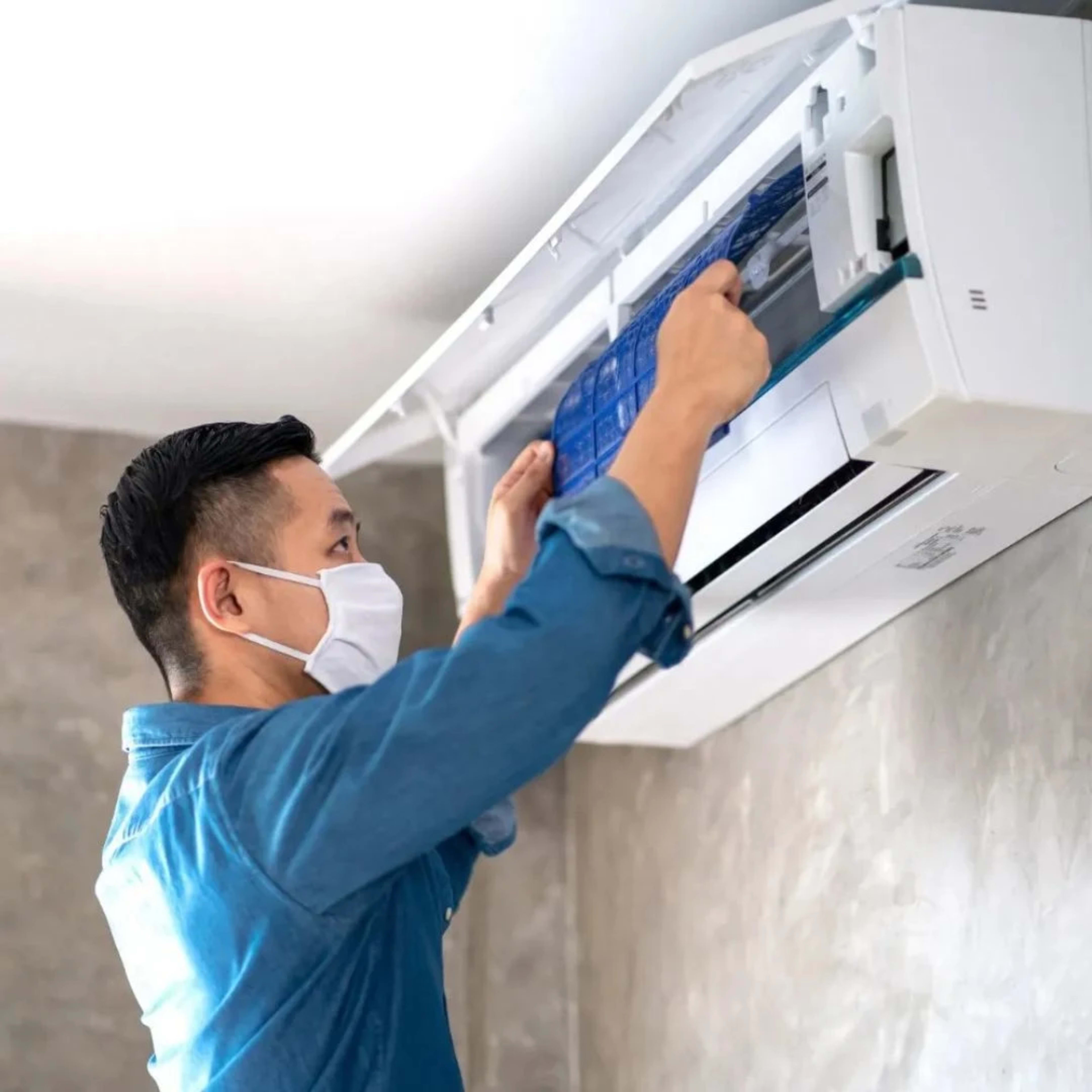
Ceiling cassette air conditioners are widely installed in Singapore offices, retail stores, restaurants, and landed properties due to their space-saving flush ceiling fit and 360-degree balanced airflow. However, cassette aircons require specialized maintenance techniques compared to standard wall-mounted units. ## Why Ceiling Cassette Servicing Is Unique Unlike wall units that drain water via gravity, ceiling cassettes use an **internal automatic lift pump** to pump condensation water up into overhead ceiling pipes. If dirt and slime block this pump inlet: - The safety float switch triggers a error system shutdown - Water overflows directly onto expensive ceiling plasterboards, causing ugly water stains and collapse risks ## What Does Cassette Chemical Servicing Involve? 1. **Ceiling Panel Removal:** Dismantling intake grilles, 4-way discharge louvers, and wash filter frames. 2. **Drain Basin & Pump Cleaning:** Washing out accumulated bio-slime in the collection basin and flushing the float switch. 3. **Fitted Canvas Catch-Bag Treatment:** Attaching a custom funnel bag under the ceiling unit to chemically wash the 4-sided coil cleanly without spraying surrounding office furniture or flooring. 4. **High-Pressure Flushing:** Jet-washing coils with clean water and testing the lift pump discharge cycle. ## Recommended Servicing Frequency - **Commercial Offices & Shops:** Monthly or bi-monthly servicing - **Residential Living Areas:** Quarterly servicing (every 3 months) Why Preventive Aircon Maintenance Matters Air-conditioning systems are often used for many hours every day. Over time, dust, dirt, moisture, mechanical wear, electrical problems, drainage issues, and other conditions can affect performance. Preventive maintenance focuses on identifying and addressing these conditions before they become major breakdowns. Instead of waiting until an aircon stops cooling, preventive maintenance provides a structured approach to cleaning, inspection, testing, and repair. This approach is useful for homes, offices, shops, restaurants, commercial buildings, and larger facilities. What Is Preventive Aircon Maintenance? Preventive maintenance is planned service performed to keep an air-conditioning system in suitable operating condition. It can include: Filter cleaning Fan coil cleaning Condenser cleaning Drainage inspection Chemical servicing when required Refrigerant checks Electrical inspection PCB inspection Performance testing Early fault identification The exact maintenance plan depends on the aircon type and operating environment. Why Waiting for a Breakdown Can Be Expensive When an aircon completely fails, the problem may already involve a significant component. For example, poor cooling may initially be caused by dirt or restricted airflow. If the condition is ignored, the system may continue operating under unsuitable conditions. Similarly, repeated water leakage may cause damage to surrounding areas if the drainage problem is not addressed. Preventive maintenance aims to identify such problems earlier. Air Filter Maintenance Filters should be checked regularly. A blocked filter can restrict airflow and reduce the effectiveness of the aircon. Cleaning or replacing filters according to the equipment requirements can help maintain proper airflow. The required frequency depends on usage and the environment. Fan Coil Maintenance The indoor fan coil should be inspected for dust and contamination. Areas of interest may include: Fan blower Evaporator coil Drain tray Internal surfaces Airflow passages If contamination is heavy, chemical servicing may be recommended. Condenser Maintenance The outdoor condenser is exposed to environmental dust and debris. A dirty condenser can restrict airflow and affect heat transfer. Regular condenser inspection and cleaning help maintain the outdoor unit. Adequate clearance around the condenser should also be maintained. Drainage Maintenance Drainage is one of the most important parts of aircon maintenance. Indoor units produce condensation during cooling. If the drain tray or pipe becomes blocked, water can leak into the occupied space. Preventive maintenance should therefore include inspection of the drainage system. Refrigerant System Checks Refrigerant is part of the aircon's closed cooling circuit. If refrigerant is repeatedly lost, a leak may need to be investigated. A gas top up should not automatically be treated as routine maintenance. If refrigerant is low, the technician should determine whether there is a reason for the low charge and whether repair is required. Electrical Inspection Air-conditioning systems contain electrical components that control motors, fans, compressors, sensors, and electronic boards. Preventive inspection can help identify abnormal conditions before they cause a complete failure. Electrical work should be performed by appropriately trained professionals. PCB Inspection Modern air-conditioning systems rely heavily on printed circuit boards. A PCB problem can produce different symptoms depending on the equipment. Preventive maintenance may include monitoring error conditions and abnormal electronic behaviour. If a PCB fault is suspected, proper diagnosis should be performed before repair or replacement. Chemical Servicing Chemical servicing is useful when standard cleaning is no longer sufficient. It may be considered for heavily contaminated indoor units. Chemical cleaning can target the evaporator coil, blower, drain tray, and other accessible components. It should be performed carefully to protect electrical parts and surrounding areas. Aircon Maintenance for Offices Office air-conditioning systems can operate for many hours every day. Large numbers of occupants can also contribute to dust and indoor air contamination. Regular maintenance can help keep the system operating consistently. A maintenance plan can also reduce unexpected interruptions during working hours. Aircon Maintenance for Shops and Restaurants Retail and food-service environments may have different maintenance requirements. Aircon systems can be exposed to dust, long operating hours, heat, and other environmental factors. Regular filter, fan coil, condenser, and drainage maintenance can help maintain system performance. Maintenance for Ceiling Cassette Systems Ceiling cassette systems require attention to indoor filters, fan blowers, evaporator coils, drain trays, and drainage. Because they are installed in ceilings, water leakage should be addressed promptly. Chemical servicing may be considered when internal contamination is significant. Maintenance for Ducted Systems Ducted systems require consideration of both the air-conditioning equipment and air distribution network. Maintenance can include filter inspection, indoor unit cleaning, condenser cleaning, drainage checks, grille inspection, and ductwork assessment. Uneven airflow between rooms should be investigated. Maintenance for VRV/VRF Systems VRV/VRF systems require a broader maintenance approach because multiple indoor units can operate through connected outdoor equipment. Maintenance can include: Indoor unit servicing Condenser cleaning Drainage checks Refrigerant inspection Electrical checks PCB and control inspection Communication checks Performance testing The maintenance schedule should reflect system usage and manufacturer requirements. Installation and Maintenance Relationship Good maintenance starts with good installation. Correct unit placement, drainage, refrigerant piping, electrical connections, and service access can make future maintenance easier. If an aircon has recurring drainage, airflow, or performance problems, the original installation should sometimes be reviewed. Dismantling and Reinstallation When an aircon is relocated, the system should be inspected during dismantling and reinstallation. The technician can check the condition of piping, drainage, wiring, mounting components, indoor equipment, and outdoor equipment. Testing after reinstallation is essential. Maintenance Records Commercial properties can benefit from keeping maintenance records. Records can include: Service dates Cleaning performed Problems identified Repairs completed Parts replaced Refrigerant-related work Recurring faults Recommended future maintenance Good records can help identify recurring problems and support better maintenance planning. Signs That Maintenance Is Overdue Common signs include: Weak airflow Poor cooling Water leakage Unpleasant smell Dirty filters Dirty condenser Longer cooling time Unusual sounds Repeated technical problems These signs should be investigated rather than ignored. Benefits of a Planned Maintenance Program A planned maintenance program can help provide: More consistent cooling Better airflow Cleaner components Early fault identification Reduced unexpected downtime Better drainage maintenance Improved system monitoring More predictable maintenance costs Preventive maintenance does not eliminate every possible failure, but it provides a more structured way to manage air-conditioning equipment. Final Thoughts Complete aircon maintenance should cover more than simple filter cleaning. Depending on the equipment, a comprehensive maintenance approach may include fan coil servicing, condenser cleaning, drainage inspection, chemical cleaning, refrigerant checks, electrical inspection, PCB diagnosis, and performance testing. Different systems require different maintenance strategies. Wall-mounted split units, ceiling cassette systems, ducted systems, and VRV/VRF installations all have their own technical requirements. Regular preventive maintenance and timely repair can help keep air-conditioning systems operating reliably and provide a more comfortable indoor environment. Regular care prevents expensive business disruptions and keeps indoor air fresh for staff and customers.
7 min read
Understanding Aircon PC Board (PCB) Failures & How to Repair Them
The Printed Circuit Board (PCB) is the central command module of modern inverter air conditioners. It regulates everything from fan speeds and louver angles to inverter compressor frequencies. When a PCB fails, your aircon usually stops functioning completely or blinks error light codes. ## Common Causes of PCB Damage **1. Power Surges and Lightning Strikes** Singapore experiences high thunderstorm frequency. Electrical voltage spikes caused by lightning can fry delicate micro-resistors and integrated circuits on the PCB. **2. Moisture and Water Condensation** If water leaks from internal drain pans onto electrical casing covers, high humidity causes short-circuiting on the circuit board traces. **3. Insect and Pest Intrusion** Small geckos, ants, and cockroaches are attracted to warm electrical components inside outdoor and indoor PCB enclosures, causing severe short circuits. ## Symptoms of a Faulty PCB - Aircon indicator light blinks continuously and unit refuses to turn on - Aircon shuts off unexpectedly after 2-3 minutes - Indoor fan runs but compressor never receives signal to turn on - Remote control signal produces no beep response ## Repair vs. Replacement - **Micro-Soldering Repair:** Replacing damaged fuses, capacitors, or relays on the existing board. This is fast and economical. - **Full PCB Assembly Replacement:** Installing a brand-new factory original PCB when main microprocessors are burnt out. ## What Is an Aircon PCB? The PCB, or printed circuit board, is one of the most important electronic control components inside a modern air-conditioning system. It helps control communication between different components and manages functions such as fan operation, temperature control, compressor commands, sensors, and other electronic operations depending on the aircon model. Because modern air-conditioning systems rely heavily on electronic controls, a PCB fault can cause a wide range of symptoms. The aircon may fail to start, operate abnormally, display error codes, stop controlling temperature correctly, or fail to communicate with another component. PCB problems should be diagnosed carefully because similar symptoms can sometimes be caused by wiring, sensors, motors, power supply problems, or other components. ## Common Signs of a Faulty PCB A PCB problem can appear in different ways depending on the design of the air-conditioning system. Common symptoms may include: - Aircon does not turn on - Indoor unit does not respond correctly - Outdoor unit does not start - Fan operation is abnormal - Compressor does not receive the correct command - Error indicators appear - Remote control commands are not processed correctly - Unit switches off unexpectedly - Communication errors occur - Aircon operates intermittently These symptoms do not automatically confirm that the PCB is defective. A proper inspection is required before deciding whether PCB repair or replacement is appropriate. ## Why PCB Diagnosis Is Important Replacing a PCB can be a significant repair expense, particularly for specialized commercial or inverter air-conditioning systems. If the actual problem is a damaged sensor, loose connection, faulty motor, wiring issue, or another component, replacing the PCB will not solve the underlying problem. Professional diagnosis should therefore begin by checking the overall system. The technician may inspect power supply, wiring, sensors, error information, communication signals, and other components before concluding that the PCB is responsible. ## PCB Repair In some situations, a PCB may be repairable depending on the nature of the fault and the availability of suitable components. Repair may be considered when a specific electronic component has failed and the board itself remains suitable for repair. The feasibility of repair depends on the PCB design, component availability, extent of damage, and technical condition. Not every PCB should be repaired. Severe damage or obsolete boards may make replacement a more practical option. ## PCB Replacement PCB replacement involves removing the faulty board and installing a suitable replacement. The replacement PCB must be compatible with the specific air-conditioning model and system configuration. Using an incorrect board can result in improper operation or communication problems. Before replacement, the technician should verify the equipment model and board specifications. ## Why Correct PCB Matching Matters Modern air-conditioning systems can have model-specific electronic controls. Even aircon units that appear similar externally can use different PCB versions. A suitable replacement should therefore be selected according to the manufacturer's equipment information and the actual system configuration. Correct matching is especially important for inverter, ceiling cassette, ducted, and VRV/VRF systems. ## PCB Problems in Inverter Aircons Inverter air-conditioning systems use electronic control systems to regulate compressor operation and cooling capacity. Because inverter systems contain more sophisticated electronic controls, a fault can involve communication between multiple components. A technician may need to inspect error codes, sensors, wiring, outdoor electronics, and indoor controls. Replacing the PCB without identifying the reason for the fault may not provide a reliable long-term solution. ## PCB Problems in Ceiling Cassette Systems Ceiling cassette aircons also rely on control boards for managing electronic functions. A faulty PCB can cause the unit to stop responding correctly, display error conditions, or experience abnormal operation. Because cassette units are often installed in commercial environments, a faulty control system can affect comfort across a busy workspace. Professional diagnosis can help identify whether the problem is actually the PCB or another component. ## PCB Problems in Ducted Systems Ducted air-conditioning systems can use centralized and zone-based controls. A control board fault may affect indoor unit operation, communication, fan control, or other functions. The technician may need to consider the indoor unit, outdoor unit, controller, sensors, wiring, and other parts of the system. ## PCB Problems in VRV/VRF Systems VRV/VRF systems are more complex because multiple indoor units can communicate with outdoor equipment through a larger control network. PCB problems may affect communication, system operation, or specific indoor units. A fault in one control component can sometimes produce symptoms that appear elsewhere in the system. For this reason, VRV/VRF PCB diagnosis should consider the overall system rather than focusing on one component immediately. ## What Can Cause PCB Damage? PCB faults can have different causes. Potential contributing factors include: - Electrical surges - Power supply problems - Component failure - Moisture exposure - Heat - Age-related electronic failure - Wiring faults - External component failure - Incorrect installation or maintenance The exact cause should be investigated where possible. If another component has caused excessive electrical stress, replacing the PCB without addressing that issue may lead to another failure. ## PCB Repair and Aircon Maintenance Regular aircon maintenance cannot prevent every PCB failure, but it can help maintain the overall operating environment of the system. Keeping the unit clean, maintaining airflow, addressing moisture or water leakage, and correcting electrical problems promptly can contribute to better equipment maintenance. Water leakage should receive particular attention because moisture around electronic components can create additional problems. ## When Should a PCB Be Repaired? PCB repair may be considered when: - The fault is identifiable - Suitable repair components are available - The board is otherwise in usable condition - Repair is technically practical - The cost is reasonable compared with replacement A professional technician can assess the board and determine whether repair is appropriate. ## When Is PCB Replacement Better? Replacement may be more appropriate when: - The board is severely damaged - Repair components are unavailable - The PCB is obsolete - The board has extensive corrosion - Repair cost is close to replacement cost - The manufacturer recommends replacement The best option depends on the equipment and actual condition. ## Testing After PCB Repair or Replacement After a PCB is repaired or replaced, the aircon should not simply be switched on and considered finished. The system should be tested to confirm that relevant functions are operating properly. Depending on the equipment, checks may include: - Indoor fan operation - Outdoor unit operation - Temperature control - Sensor response - Compressor operation - Error indicators - Communication - Remote control functions Testing helps confirm that the original problem has been addressed. ## Final Thoughts PCB repair and replacement are specialized aircon services that require proper diagnosis and compatible components. A malfunctioning aircon does not automatically mean that the PCB has failed. Sensors, motors, wiring, power supply, and other components can produce similar symptoms. Accurate diagnosis helps avoid unnecessary replacement and ensures that the appropriate repair is performed. Whether the system is a split aircon, ceiling cassette, ducted unit, or VRV/VRF installation, professional inspection is the best starting point when electronic control problems are suspected. Professional diagnostic testing using digital multimeters ensures accurate identification of board defects before replacing parts.

6 min read
How Often Should You Do an Aircon Gas Top Up in Singapore?
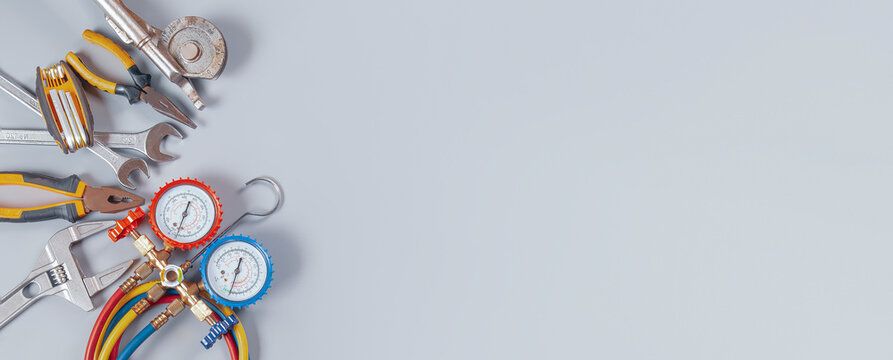
A widespread myth among homeowners in Singapore is that aircon gas is consumed like fuel in a motor car and needs constant refilling. **This is false.** An air conditioner operates on a closed-loop system. Under ideal conditions, refrigerant gas should last for many years without needing a top-up. So why do some aircons require a gas top-up? ## Why Aircon Gas Levels Drop If your aircon loses refrigerant pressure, it means there is a **leak** in the system. Leaks commonly occur due to: - Corroded or aged copper joints - Imperfect flare nut connections - Microscopic pinholes in evaporator coil tubing - Physical damage during pipe installation ## Common Gas Types Used in Singapore 1. **R32 Refrigerant:** Modern, highly eco-friendly gas with superior cooling efficiency. 2. **R410A Refrigerant:** Commonly found in inverter aircons installed over the past decade. 3. **R22 Refrigerant:** Older gas type found in legacy non-inverter systems (being phased out globally). ## Signs You Need a Gas Top Up - Aircon takes a very long time to cool the room - Outdoor compressor copper valves show frost or ice buildup - Hissing or bubbling noises near the copper line casing - Airflow temperature is not cold even after cleaning filters ## What Is Aircon Gas? Aircon gas is commonly used to describe the refrigerant inside an air-conditioning system. Refrigerant is an essential part of the cooling cycle because it transfers heat from the indoor environment to the outdoor unit. The refrigeration system is designed as a closed circuit. Under normal conditions, refrigerant should circulate within that circuit rather than being consumed like fuel. For this reason, an aircon that repeatedly requires a gas top up should be inspected for a possible leak or another underlying problem. ## Why Does an Aircon Need a Gas Top Up? A gas top up may be required when the system has insufficient refrigerant charge. One common reason is refrigerant leakage. A leak can occur at a pipe connection, valve, joint, or another part of the refrigeration circuit. Simply adding refrigerant can restore the charge temporarily, but if the leak remains, the system may lose refrigerant again. A proper service should therefore consider both the refrigerant level and the reason for any refrigerant loss. ## Does Low Gas Always Mean a Leak? In a properly sealed system, refrigerant is not normally supposed to disappear through ordinary operation. If the refrigerant charge is repeatedly low, leakage should be considered. However, determining whether a leak exists requires proper diagnosis. The technician may inspect pipe connections, valves, operating conditions, and other relevant components. ## Signs of Possible Low Refrigerant Low refrigerant can be associated with several symptoms, including: - Reduced cooling - Longer cooling times - Air that is not as cold as expected - Poor overall cooling performance - Unusual operating conditions - Possible ice formation in certain circumstances These symptoms are not exclusive to refrigerant problems. Dirty filters, blocked coils, weak airflow, faulty fans, electrical faults, and other issues can produce similar symptoms. ## Aircon Not Cooling and Gas Problems When an aircon is not cooling properly, many people immediately assume that it needs a gas top up. This assumption can lead to unnecessary refrigerant charging. A better approach is to inspect the aircon first. The technician should consider airflow, filters, evaporator coil condition, condenser condition, fan operation, refrigerant condition, and other relevant factors. Only after identifying a refrigerant-related problem should gas-related work be considered. ## Importance of the Correct Refrigerant Air-conditioning systems are designed for specific refrigerants. Different systems can use different refrigerant types, and the correct refrigerant should be identified before charging. Using an unsuitable refrigerant can affect system operation and may create technical problems. Professional technicians should therefore verify the equipment requirements before performing refrigerant work. ## Refrigerant Leakage Refrigerant leakage can occur for different reasons. Potential areas include: - Pipe joints - Flared connections - Valves - Service ports - Refrigerant piping - Other components in the refrigeration circuit The actual source needs to be identified through appropriate inspection and, when necessary, specialised leak detection procedures. ## Why Repeated Gas Top Ups Are a Problem Repeatedly topping up refrigerant without investigating the cause can become an expensive cycle. If an aircon loses refrigerant because of a leak, adding more refrigerant does not remove the leak. A long-term approach is to identify the suspected leak, determine whether repair is practical, and then restore the system to the appropriate refrigerant condition. ## Gas Top Up and Aircon Efficiency An aircon with an incorrect refrigerant charge may not perform as intended. However, overall energy consumption depends on many factors, including: - Room size - Outdoor temperature - Insulation - Aircon capacity - Filter condition - Coil cleanliness - Thermostat settings - Operating hours - System age Therefore, gas top up should not be treated as a universal solution for high electricity bills. ## Refrigerant Work for Split Aircons Residential split systems have an indoor unit and outdoor unit connected by refrigerant piping. If the system is not cooling properly, the technician can inspect both units before deciding whether refrigerant-related work is required. The condition of the indoor evaporator, outdoor condenser, fans, drainage, and electrical components should also be considered. ## Refrigerant Work for Ceiling Cassette Systems Ceiling cassette systems can also require refrigerant-related inspection. Because these systems may operate in commercial environments for long hours, performance problems can affect larger occupied spaces. A technician should consider the indoor unit, outdoor unit, refrigerant circuit, airflow, drainage, and control components when diagnosing poor cooling. ## Refrigerant in VRV/VRF Systems VRV/VRF systems can contain multiple indoor units connected to a larger refrigeration network. Because the system is more complex, refrigerant-related diagnosis requires consideration of the wider system configuration. If multiple indoor units experience cooling problems, the cause may be related to shared system components rather than one individual indoor unit. ## When Repair Is Required If a refrigerant leak is identified, repair may be required before or alongside charging. The exact repair depends on the location and nature of the problem. After the suspected issue is addressed, the system should be tested to confirm that it is operating correctly. ## Why Professional Refrigerant Service Matters Refrigerant systems require suitable tools, knowledge, and procedures. Improper handling can affect equipment performance and may create safety or environmental concerns. Professional service focuses on diagnosis, correct refrigerant identification, appropriate charging, and investigation of suspected leaks. ## Final Thoughts An aircon gas top up can be useful when the system genuinely has insufficient refrigerant. However, low refrigerant should not automatically be treated as a normal maintenance requirement. Repeated refrigerant loss deserves further investigation. If your aircon is not cooling, the best approach is to determine the actual cause first. The problem may be refrigerant-related, but it may also involve dirty coils, restricted airflow, electrical faults, fan problems, or other components. Proper diagnosis and timely repair can provide a more reliable solution than repeated gas top ups. ## Recommendation During routine general servicing, technicians measure pressure levels using a manifold gauge. If minor loss is detected, a quick top-up restores peak cooling. However, if gas drains rapidly within weeks, request a pressure test to locate and seal copper line leaks.
7 min read
Aircon Blowing Warm Air? Common Causes & Step-by-Step Fixes
There’s nothing worse than turning on your air conditioner on a hot Singapore afternoon only to feel warm room-temperature air blowing out. When an aircon stops cooling, it indicates an issue in the refrigeration or electrical system. Here are the top reasons and corresponding fixes: ## 1. Faulty Start/Run Capacitor The capacitor acts as a battery boost to jumpstart the outdoor compressor motor. If the capacitor fails due to heat wear or age, the indoor fan will blow room air, but the outdoor unit won't produce cooling. **Fix:** Quick replacement of the outdoor compressor capacitor. ## 2. Refrigerant Gas Leakage Refrigerant travels in a sealed closed-loop copper circuit. If vibration or copper oxidation causes microscopic pinhole leaks, gas escapes over time. Without gas, heat exchange cannot happen. **Fix:** Pressure-test copper pipes, seal leaking joints, and top up refrigerant gas to specifications. ## 3. Dirty Outdoor Condenser Unit If the outdoor condenser unit is caked with thick street dust and grime, it cannot expel absorbed indoor heat. The compressor overheats and automatically shuts down to prevent motor burnout. **Fix:** High-pressure water jet washing of the outdoor condenser coils. ## 4. Faulty Thermistor or Temperature Sensor The thermistor reads room temperature and tells the main control PCB when to engage the compressor. A defective sensor misreads room temperature, causing the system to stay in idle fan mode. **Fix:** Replacing the thermistor sensor wire array. ## Why Aircon Repair Is Sometimes Necessary An air-conditioning system can develop different problems throughout its operating life. Some issues are caused by dirt and lack of maintenance, while others involve electrical, mechanical, refrigeration, or control components. Aircon repair work is intended to identify the faulty component or condition and restore the system to proper operation. One of the most common complaints is an aircon that is running but not cooling. This symptom can have many possible causes, so replacing parts without diagnosis is not a reliable repair strategy. ## Common Aircon Problems Aircon repair requests commonly involve: - Aircon not cooling - Weak airflow - Water leakage - Unusual noise - Unpleasant smell - Unit not switching on - Outdoor unit not operating - Electrical faults - PCB faults - Refrigerant-related problems - Fan motor problems - Compressor-related issues Each symptom needs to be assessed according to the specific aircon system. ## Aircon Not Cooling An aircon that runs without providing sufficient cooling can be frustrating, especially during hot weather. The first step is to determine whether the problem is caused by airflow, heat exchange, refrigerant, electrical operation, or another component. Possible causes include: - Dirty filters - Dirty evaporator coil - Dirty condenser - Weak fan airflow - Refrigerant problems - Faulty sensors - Electrical faults - PCB problems - Compressor-related faults A proper inspection can narrow down the likely cause. ## Checking the Indoor Unit The indoor unit should be inspected for filter blockage, evaporator coil contamination, fan blower condition, airflow, drainage, and unusual sounds. If the filter is heavily blocked, cleaning may restore airflow. If the fan blower or evaporator coil is heavily contaminated, deeper cleaning or chemical servicing may be required. If the indoor fan is not operating correctly, a technical repair may be necessary. ## Checking the Outdoor Unit The outdoor unit is responsible for releasing heat from the refrigeration system. A dirty condenser can reduce heat transfer and affect cooling performance. The outdoor fan should also be inspected. If the fan motor or another component has failed, the system may not be able to operate normally. Electrical components and other outdoor unit parts should also be checked during diagnosis. ## Refrigerant-Related Problems Low refrigerant can affect cooling performance, but it should not automatically be assumed to be the cause. If refrigerant is low, the technician should consider why the charge is insufficient. Repeated gas top ups without addressing a possible leak may only provide temporary improvement. A professional diagnosis can determine whether refrigerant work or repair is appropriate. ## Water Leakage Repair Water leakage is another common aircon problem. Condensation water normally flows through a drain tray and drainage line. If the system becomes blocked or contaminated, water may back up and leak from the indoor unit. Repair work may involve cleaning the drainage system or addressing another technical or installation issue. If leakage continues after cleaning, further inspection is necessary. ## Unusual Aircon Noise Aircon noise can come from different sources. Possible causes include: - Dirty blower - Loose component - Fan motor problem - Mechanical wear - Vibration - Damaged fan component The location and type of sound can help guide diagnosis, but the actual cause needs to be inspected. Ignoring unusual mechanical sounds can allow a minor problem to develop further. ## PCB Repair and Replacement The PCB, or printed circuit board, controls many electronic functions within modern air-conditioning systems. A faulty PCB can cause symptoms such as failure to start, abnormal operation, error indications, or loss of certain functions. Depending on the model and fault, repair or replacement may be considered. The PCB should not be replaced simply because an aircon is malfunctioning. Other components can produce similar symptoms, so proper diagnosis is important. ## Aircon Electrical Problems Electrical faults can affect power supply, motors, sensors, control boards, and other components. An aircon that suddenly stops operating may have an electrical problem, but the reason can vary. Electrical inspection should be carried out by an appropriately trained technician. ## Servicing vs Repair It is important to understand whether the aircon needs maintenance or technical repair. Cleaning a dirty evaporator coil is servicing. Replacing a defective fan motor is repair. Cleaning a blocked drain is maintenance, while correcting a damaged drainage component may involve repair. In many cases, both servicing and repair are required. ## Why Diagnosis Comes First Replacing parts based only on symptoms can lead to unnecessary costs. For example, an aircon that is not cooling may have a dirty condenser rather than a failed compressor. Similarly, repeated gas top ups may not solve poor cooling if the actual problem is a refrigerant leak. Diagnosis helps determine what needs to be cleaned, repaired, replaced, or adjusted. ## Repairing Older Aircon Systems Older air-conditioning systems may require additional consideration. Parts availability, system condition, refrigerant type, component age, and overall operating efficiency can influence whether repair is practical. A technician can inspect the unit and determine whether repair is appropriate or whether replacement should be considered. ## Preventing Aircon Problems Regular maintenance can reduce some avoidable problems. Useful maintenance practices include: - Cleaning filters - Scheduling professional servicing - Keeping outdoor units clear - Addressing water leakage early - Investigating unusual sounds - Checking poor cooling promptly - Cleaning heavily contaminated coils - Maintaining drainage Early attention does not guarantee that a component will never fail, but it can help prevent maintenance-related problems from becoming more serious. ## When to Request Professional Repair Professional repair is appropriate when an aircon: - Stops cooling - Stops operating - Leaks water repeatedly - Produces unusual mechanical sounds - Has electrical problems - Displays persistent errors - Requires repeated refrigerant top ups - Experiences recurring performance problems A technician can inspect the system and recommend the appropriate solution. ## Final Thoughts Aircon repair should begin with accurate diagnosis. An aircon that is not cooling may require cleaning, chemical servicing, refrigerant-related work, electrical repair, PCB repair, fan repair, or another technical solution. The most effective approach is to identify the actual cause rather than replacing parts based only on symptoms. Regular servicing and early repair can help maintain reliable operation and reduce unexpected interruptions. ## Summary If your unit blows warm air, avoid running it continuously to prevent burning out the compressor motor. Call an experienced technician promptly for an accurate on-site diagnostic.
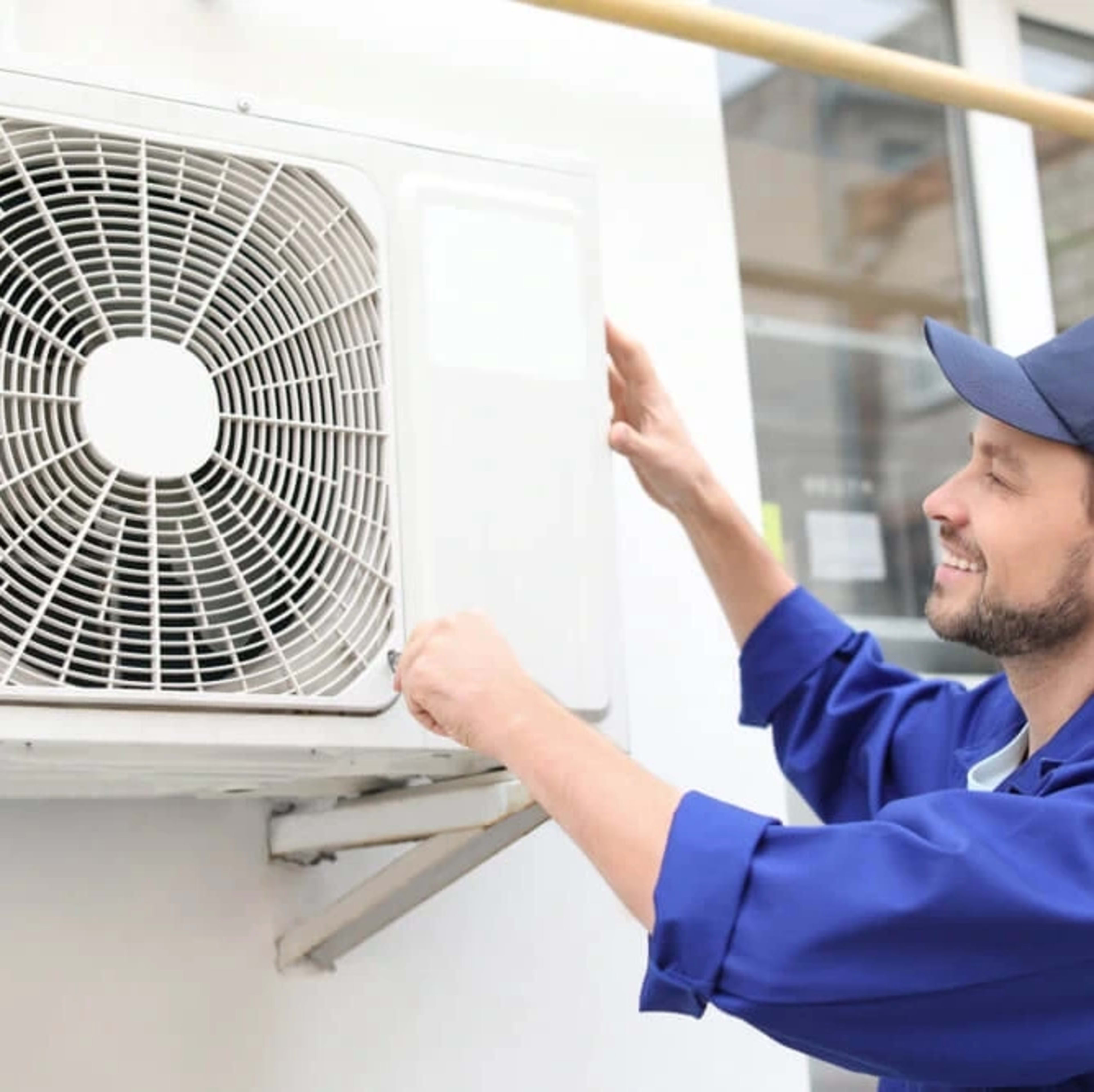
7 min read
Why Is Your Aircon Dripping Water? Causes & Fast Solutions
Water leaking from an indoor air conditioner is one of the most annoying problems facing Singapore homeowners. Left ignored, water drips can ruin wallpaper, warp parquet flooring, and destroy electronic furniture placed below the unit. Let’s explore why this happens and how to resolve it quickly. ## 1. Choked Water Drainage Line (Most Common Cause) As your aircon condenses moisture from the room, airborne dust combines with water in the drain pan to create a jelly-like slime. Eventually, this slime flows into the narrow PVC drain pipe and forms a plug. Water fills up the pan and overflows down your wall. **Solution:** High-pressure vacuum suction flushing to clear the jelly blockage. ## 2. Dirty Air Filters Restricting Airflow When air filters are clogged with dust, cold air cannot circulate properly. The evaporator coil drops below freezing point, causing frost buildup. When the frost melts, it produces more water than the drain pan can handle. **Solution:** Wash your air filters every 2 to 3 weeks using plain water. ## 3. Cracked or Improperly Sloped Drainage Pan Aircon drainage relies entirely on gravity. If the indoor unit was installed without a slight downward gradient toward the drainage outlet, water pools inside the pan and spills over. **Solution:** Re-aligning the mounting bracket slope or replacing a cracked drain pan. ## 4. Low Refrigerant Gas Levels Low refrigerant pressure alters the internal coil pressure, causing localized freezing across the evaporator coils. Once the compressor cycles off, large chunks of ice melt rapidly and flood the drain tray. **Solution:** Inspect copper lines for leaks, repair flare joints, and perform a gas top up. ## How to Prevent Water Leaks Regular quarterly general servicing includes proactive drain line vacuuming, which prevents jelly buildup before it leads to overflowing leaks. ## Why Aircon Water Leakage Happens Water leakage from an air-conditioning unit is a common problem that should not be ignored. A small amount of dripping can quickly become a larger issue if the underlying cause is not addressed. During normal cooling operation, moisture from indoor air condenses on the cold evaporator coil. This condensation collects in a drain tray and should flow away through the drainage system. When the drain system becomes blocked, dirty, damaged, or improperly configured, water may accumulate and eventually leak from the indoor unit. ## Common Causes of Aircon Water Leakage Several conditions can contribute to water leakage, including: - Blocked drain pipe - Dirty drain tray - Heavy dirt buildup - Poor drainage - Restricted airflow - Installation-related issues - Drainage component problems - Other technical faults The exact cause should be determined through inspection. ## Blocked Drainage One of the most common reasons for water leakage is restricted drainage. Dust, dirt, sludge, and other contaminants can accumulate inside the drain system. When water cannot flow away properly, it can back up toward the indoor unit. Cleaning the drainage system may resolve the problem when blockage is the primary cause. If the blockage returns repeatedly, however, the technician should investigate why the problem is recurring. ## Fan Coil Cleaning The fan coil is an important part of the indoor air-conditioning unit. It includes the airflow and heat-exchange components that allow the system to circulate and cool indoor air. Dust can accumulate on the fan blower, evaporator coil, drain tray, and surrounding surfaces. When contamination becomes heavy, airflow can decrease and the aircon may experience other performance problems. ## Why a Dirty Fan Blower Matters The fan blower moves air through the indoor unit. As dust accumulates on the blower, its ability to move air can be affected. Users may notice weak airflow even though the aircon is running. A dirty blower can also contribute to unpleasant smells when dust and moisture remain on its surfaces. Cleaning the blower can help restore cleanliness and airflow when contamination is the underlying issue. ## Evaporator Coil Cleaning The evaporator coil absorbs heat from indoor air. If the coil becomes covered with dirt, airflow and heat transfer can be affected. Regular cleaning helps maintain the condition of the coil. When contamination is severe, chemical servicing may be required to clean the coil more thoroughly. ## Drain Tray Cleaning The drain tray collects condensation water from the evaporator area. Over time, dirt and other material can accumulate in the tray. If the tray outlet becomes restricted, water may not drain correctly. Cleaning the tray is therefore an important part of fan coil maintenance, particularly when an aircon has experienced water leakage. ## Condenser Cleaning The condenser is located in the outdoor unit. Its job is to release heat from the refrigeration system into the outdoor environment. Because the condenser is exposed to outdoor conditions, it can collect dust, leaves, dirt, and other debris. Heavy contamination can restrict airflow and reduce the efficiency of heat transfer. ## Why Outdoor Condenser Maintenance Is Important An air-conditioning system works as a complete refrigeration cycle. The indoor evaporator absorbs heat, while the outdoor condenser releases it. If the condenser cannot release heat effectively because it is heavily contaminated or airflow is restricted, cooling performance can be affected. Keeping the outdoor condenser clean is therefore an important part of regular aircon maintenance. ## Fan Coil Cleaning vs Condenser Cleaning These two cleaning services focus on different parts of the aircon. **Fan coil cleaning** focuses on the indoor unit, including the blower, evaporator coil, drain tray, and other internal areas. **Condenser cleaning** focuses on the outdoor unit, particularly the condenser coil and airflow around the outdoor equipment. Both are important for maintaining the overall system. ## Can Cleaning Fix Water Leakage? Cleaning can resolve water leakage when dirt or blockage is responsible. For example, a blocked drain pipe may prevent condensation water from leaving the unit. Clearing the blockage can restore normal drainage. However, not every leak is caused by dirt. If leakage continues after cleaning, the technician may need to investigate drainage configuration, insulation, installation conditions, damaged components, or other technical causes. ## Chemical Cleaning for Heavily Contaminated Units Standard servicing may not be enough when an indoor unit is heavily contaminated. Chemical servicing can provide deeper cleaning for the evaporator coil, blower, drain tray, and other internal surfaces. The process should be carried out carefully to protect electrical components and surrounding areas. After cleaning, the unit should be reassembled and tested. ## Signs Your Fan Coil Needs Cleaning A fan coil may need professional cleaning when you notice: - Weak airflow - Unpleasant smell - Visible internal dirt - Water leakage - Reduced cooling - Longer cooling time - Dust around the air outlet - Repeated drainage problems These symptoms can have multiple causes, so inspection is important before selecting a service. ## Signs Your Condenser Needs Cleaning The outdoor condenser may require cleaning when: - The coil is visibly dirty - Airflow around the outdoor unit is restricted - Cooling performance has declined - The outdoor environment is particularly dusty - Leaves or debris have accumulated around the unit Outdoor units should also have adequate clearance so that air can circulate properly. ## Maintenance for Commercial Aircon Commercial air-conditioning systems often operate for longer periods than residential units. Offices, shops, restaurants, and other businesses may run their aircon throughout much of the day. This continuous usage can increase the need for regular maintenance. A preventive maintenance schedule can include fan coil cleaning, condenser cleaning, drainage inspection, filter maintenance, and general system checks. ## Preventing Water Leakage Regular maintenance is one of the most practical ways to reduce drainage-related problems. Filters should be maintained regularly, and professional servicing should be arranged according to usage and system condition. If water leakage appears, early inspection is preferable to allowing the problem to continue. ## Final Thoughts Water leakage, dirty fan coils, and contaminated condensers are common air-conditioning maintenance concerns. A clean fan coil supports good airflow and indoor unit performance. A clean condenser supports proper heat rejection from the outdoor unit. A clear drainage system allows condensation water to leave the aircon safely. If an aircon is leaking, cleaning may solve the problem when dirt or blockage is responsible, but repeated leakage requires further investigation. Regular professional maintenance helps keep these components in better condition and supports reliable air-conditioning performance.
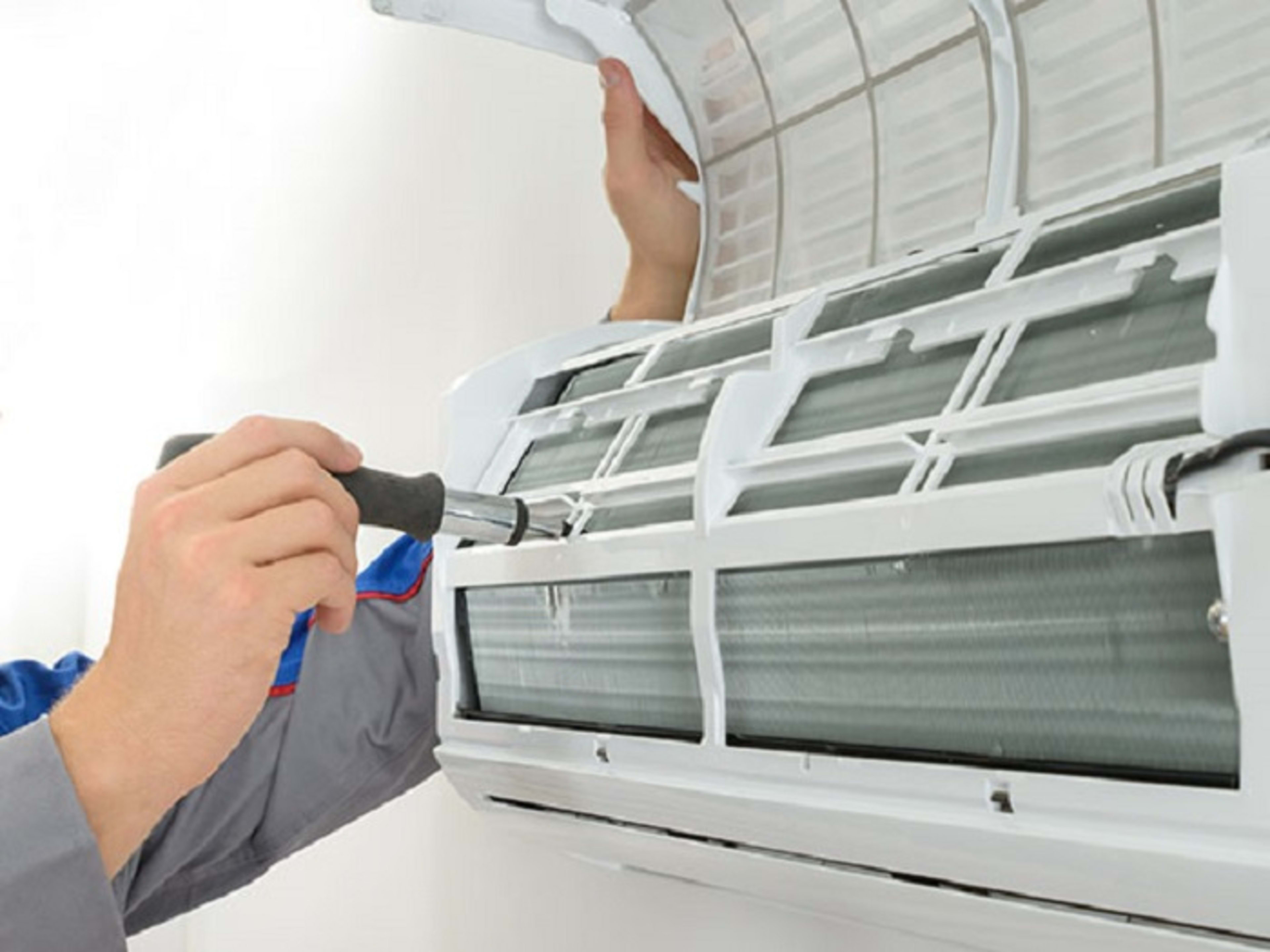
7 min read
5 Warning Signs Your Aircon Needs an Urgent Chemical Overhaul
A chemical overhaul is the most intensive restoration procedure for a wall-mounted air conditioner. Unlike standard on-the-wall servicing, an overhaul involves completely dismounting the fan coil unit from your wall to submerge every single piece in a deep chemical bath. Here are 5 clear warning signs that your unit requires an urgent chemical overhaul. ## 1. Ice Blockages Forming on Coils and Copper Pipes If you see ice crystals or frost forming behind the front filter or on the outdoor brass valves, your aircon's heat exchange process is severely restricted. This is usually caused by heavy dirt build-up insulating the coils, forcing temperatures below freezing point. ## 2. Water Dripping Continuously Down the Wall When a water drainage line is completely packed with bio-jelly and thick mold, standard drain flushing will no longer clear the blockage. Demounting the back tray during an overhaul clears 100% of the blockage, stopping wall damage. ## 3. Loud Rattling or Squeaking Noises from the Indoor Unit Dirt accumulating unevenly on the cylindrical fan blower wheel causes imbalance. As the blower spins at high speeds, this imbalance creates loud vibrations, squeaks, and excessive motor strain. ## 4. Weak Airflow Even at Maximum Fan Speed When dust penetrates deep into the secondary coil layers, it blocks the narrow air passages completely. Even if your fan motor is running at top speed, only a trickle of air escapes. ## 5. High Electricity Bills with Poor Cooling When internal components are choked, the compressor must run continuously without cycling off. This dramatically inflates your monthly SP Group utility bill while delivering minimal cooling comfort. ## What Is a VRV/VRF Aircon System? VRV and VRF systems are advanced multi-zone air-conditioning systems designed to provide centralized yet flexible climate control. VRV is a trademarked term associated with Daikin, while VRF, meaning Variable Refrigerant Flow, is widely used as the general industry term. These systems are commonly installed in offices, hotels, commercial buildings, large residences, and other properties where multiple indoor spaces need coordinated air-conditioning. Because a VRV/VRF system can connect multiple indoor units to outdoor equipment through a refrigeration and control network, servicing requires a more comprehensive approach than basic split-unit maintenance. ## Why VRV/VRF Servicing Is Important A VRV/VRF system contains multiple components that work together. These may include: - Indoor units - Outdoor units - Refrigerant piping - Control boards - Sensors - Communication wiring - Drainage - Fans - Compressors - Controllers A problem in one component can sometimes affect one zone, while other issues can affect multiple indoor units. Regular servicing helps monitor the condition of the system. ## Indoor Unit Servicing Each indoor unit should be inspected and maintained according to its condition. The technician may check: - Filters - Evaporator coil - Fan blower - Drain tray - Drainage - Airflow - Temperature response - Error indicators Dirty indoor units can experience weak airflow and reduced cooling performance. ## Filter Cleaning Filters capture dust and airborne particles. When they become blocked, airflow can decrease. In a multi-zone system, poor maintenance of individual indoor units can result in inconsistent performance between rooms. Regular filter maintenance is therefore important. ## Fan Coil Cleaning The indoor fan coil area can collect dust and moisture over time. Heavy contamination may affect airflow and contribute to unpleasant smells. Standard cleaning may be sufficient for lightly contaminated units, while chemical servicing may be considered for heavily dirty indoor units. ## Drainage Maintenance Indoor units produce condensation during cooling. The water should flow through the drain tray and drainage system. A blocked drain can cause water leakage. Because VRV/VRF installations can include many indoor units, drainage should be checked across the system rather than focusing only on the most visible unit. ## Outdoor Unit Servicing Outdoor units are responsible for heat exchange and refrigerant system operation. Maintenance may include inspection of: - Condenser coils - Outdoor fans - Electrical components - Refrigeration components - Airflow - General operating condition Outdoor condenser cleaning is important where dust or debris has accumulated. ## VRV/VRF Not Cooling Poor cooling in a VRV/VRF system can have several causes. Possible issues include: - Dirty indoor unit - Dirty outdoor condenser - Refrigerant-related problems - Fan problems - Sensor faults - Control issues - Communication problems - Electrical faults - Compressor-related problems Because the system is interconnected, diagnosis should consider whether the problem affects one indoor unit or multiple zones. ## Refrigerant Checks Refrigerant management is particularly important in VRV/VRF systems. If the refrigerant circuit has a problem, multiple indoor units can potentially experience reduced performance. Repeated refrigerant loss should be investigated for possible leakage. Adding refrigerant without understanding the cause of the loss may only provide temporary improvement. ## Refrigerant Leak Investigation A suspected leak may require inspection of relevant refrigerant piping, joints, valves, and other components. The appropriate diagnostic method depends on the equipment and suspected fault. Once the source is identified, repair can be considered before restoring the refrigerant condition. ## PCB and Control Systems VRV/VRF systems rely heavily on electronic control components. PCBs can manage communication, fan functions, compressor commands, sensors, and other operations. A control problem can produce error conditions or abnormal system behaviour. Technicians may need to inspect error information, wiring, sensors, communication components, and control boards. ## Communication Problems Multiple indoor and outdoor components may communicate through the system's control network. If communication is interrupted, certain indoor units may not operate correctly. Communication faults can have several possible causes, including wiring issues, control board problems, configuration issues, or other system conditions. Proper diagnosis is important before replacing electronic components. ## Preventive VRV/VRF Maintenance A preventive maintenance program may include: - Indoor filter cleaning - Fan coil cleaning - Drainage inspection - Condenser cleaning - Refrigerant checks - Electrical inspection - PCB inspection where appropriate - Error monitoring - Controller checks - Performance testing The maintenance schedule should reflect system usage and manufacturer requirements. ## Commercial VRV/VRF Maintenance Commercial VRV/VRF systems often operate for long hours. A failure can affect multiple rooms, offices, meeting spaces, or other occupied areas. Scheduled maintenance can help identify developing problems before they cause significant disruption. Businesses can benefit from keeping maintenance records and monitoring recurring faults. ## Chemical Servicing for VRV/VRF Indoor Units Individual indoor units may require chemical servicing when heavy contamination is present. Chemical cleaning can address dirt on the evaporator coil, blower, drain tray, and accessible internal surfaces. Because VRV/VRF systems can have many indoor units, the maintenance plan can prioritize units based on condition and usage. ## VRV/VRF System Performance Testing After servicing or repair, the system should be tested. Depending on the installation, checks can include: - Cooling operation - Airflow - Temperature control - Indoor unit operation - Outdoor unit operation - Error conditions - Drainage - Control response - General system performance Testing confirms that the maintenance work has not introduced new problems. ## When Professional Servicing Is Required Professional servicing should be considered when: - Multiple rooms are not cooling - One indoor unit repeatedly develops faults - Water leakage occurs - Refrigerant loss is suspected - Error codes appear - Outdoor equipment behaves abnormally - Communication problems occur - Cooling performance declines Early inspection can help identify whether the problem is localized or system-wide. ## Why VRV/VRF Maintenance Requires Experience A VRV/VRF system is more than a collection of independent aircons. The indoor units, outdoor equipment, refrigerant circuit, control system, and communication network can operate as one integrated installation. Understanding these relationships is important for accurate diagnosis and maintenance. ## Final Thoughts VRV/VRF servicing requires a system-level approach. Regular cleaning of indoor units, condenser maintenance, drainage inspection, refrigerant checks, electrical inspection, and control-system monitoring can help maintain reliable operation. When a VRV/VRF system develops poor cooling, water leakage, refrigerant problems, communication errors, or electronic faults, professional diagnosis can identify the appropriate solution. A planned maintenance approach is especially valuable for commercial systems where an unexpected breakdown can affect multiple occupied areas. ## Conclusion Investing in a chemical overhaul resets your neglected aircon back to near-factory condition, saving you thousands of dollars compared to buying a brand-new system.
9 min read
Chemical Servicing vs. General Servicing: Which Does Your Aircon Really Need?
Living in Singapore’s humid tropical climate means our air conditioning systems work almost non-stop. Over time, every aircon gathers dust, mold, and jelly-like bacterial sludge. But when booking a maintenance appointment, many homeowners face a common dilemma: **Should you get General Servicing or Chemical Servicing?** Understanding the difference helps you avoid paying for unnecessary heavy treatments while ensuring your unit gets the exact care it needs. ## What Is General Aircon Servicing? General servicing is routine preventive maintenance. Think of it as a regular health check and tune-up for your cooling system. During general servicing, technicians typically: - Wash air filters and front covers - Brush evaporator cooling fins - Clear and vacuum the water drainage line - Check compressor gas pressure and electrical contacts - Conduct operational airflow and temperature tests **Best for:** Air conditioners that are maintained regularly every 3 to 4 months and are cooling fine without bad odors or water leaks. ## What Is Aircon Chemical Servicing? Chemical servicing is a deep restorative cleaning process. Instead of simple dry brushing, technicians use specialized, non-corrosive chemical solutions directly on the internal components to dissolve stubborn, ingrained contaminants. During chemical servicing, technicians: - Apply chemical cleaners to the indoor evaporator coils - Deep flush the drainage tray and drain pipes - Remove thick jelly, algae, and mold colonies - High-pressure rinse all treated parts thoroughly with clean water **Best for:** Aircons that haven't been serviced in over 6 months, units blowing weak or warm air, or systems producing musty odors. ## Summary Comparison | Feature | General Servicing | Chemical Servicing | | :--- | :--- | :--- | | **Recommended Frequency** | Every 3–4 months | Every 6–12 months | | **Cleaning Method** | Water wash filters & brush coils | Specialized chemical wash & flush | | **Solves Odors?** | Mild dust odors only | Eliminates mold & bacterial smells | | **Solves Stubborn Leaks?** | Temporary flush | Thoroughly dissolves jelly blockages | ## Which Should You Choose? If your aircon is running smoothly and you just want to keep electricity bills low and air clean, stick with **General Servicing**. However, if you notice weak airflow, lingering musty smells, or persistent water dripping, upgrading to a **Chemical Service** is the most cost-effective fix. Air-conditioning systems naturally collect dust, dirt, moisture, and other contaminants during normal operation. While regular servicing can handle routine maintenance, some systems eventually become too heavily contaminated for standard cleaning to provide satisfactory results. This is where chemical servicing and chemical overhaul can become useful. Chemical cleaning is a more intensive maintenance approach designed to remove accumulated dirt from components that are difficult to clean effectively through ordinary servicing. It can be particularly helpful when an aircon has been neglected for an extended period or when airflow and cooling performance have deteriorated because of heavy contamination. ## What Is Chemical Aircon Servicing? Chemical servicing involves using suitable cleaning solutions to remove stubborn dirt, grease, biological buildup, and other contaminants from air-conditioning components. The process normally focuses on areas such as the evaporator coil, fan blower, drain tray, and other internal components. The exact procedure depends on the aircon model and the condition of the unit. Chemical servicing should be performed carefully. Air-conditioning components contain electrical parts and delicate surfaces, so the cleaning method needs to protect components that should not be exposed directly to cleaning chemicals or excessive water. ## When Is Chemical Servicing Necessary? Not every aircon requires chemical servicing. Routine maintenance may be sufficient when the system is reasonably clean and operating normally. ## Chemical cleaning may be considered when there are signs such as: - Heavy dirt accumulation - Poor airflow despite regular filter cleaning - Persistent unpleasant odours - Significant dust buildup inside the fan coil - Poor cooling performance caused by restricted airflow - Dirty evaporator coils - Drainage problems associated with internal contamination - Long periods without professional servicing A technician should inspect the system before recommending chemical cleaning. The objective is to choose a maintenance procedure based on the actual condition of the unit. Standard Servicing vs Chemical Servicing Standard aircon servicing generally focuses on routine cleaning and inspection. Chemical servicing goes further by targeting accumulated contamination in areas that may not be adequately cleaned through basic maintenance. For example, an air filter can be removed and washed relatively easily. However, dirt may also accumulate deeper inside the fan coil, blower wheel, evaporator coil, and drain tray. If these components are heavily contaminated, simply washing the filter will not solve the underlying problem. Chemical cleaning can therefore be considered a deeper maintenance procedure rather than simply a more expensive version of ordinary servicing. ## What Is Chemical Overhaul? Chemical overhaul is generally a more comprehensive cleaning procedure for an air-conditioning unit. It may involve more extensive dismantling of accessible components so that internal areas can be cleaned properly. The purpose is to restore cleanliness to components that have accumulated substantial contamination over time. Depending on the aircon model and condition, the technician may access the fan blower, evaporator coil, drain pan, and other areas requiring intensive cleaning. Chemical overhaul is especially relevant when an aircon has been neglected for a long period or when repeated basic servicing has not adequately resolved performance issues caused by internal dirt. ## Why Dirty Fan Blowers Cause Problems The fan blower is responsible for circulating air through the indoor unit. Dirt buildup on the blower can affect the amount of air that moves through the system. As contamination increases, the blower may become less effective at moving air. Users may notice weaker airflow even though the aircon is technically running. A heavily contaminated blower can also contribute to unpleasant smells because dust and moisture can accumulate on its surfaces. Cleaning the blower during an intensive service can therefore improve the cleanliness and airflow condition of the indoor unit. ## Evaporator Coil Cleaning The evaporator coil absorbs heat from indoor air. When dirt accumulates on the coil, airflow and heat transfer can be affected. Cleaning the coil is an important part of intensive aircon maintenance. The technician needs to use a suitable cleaning method that removes contamination without damaging the coil's fins or surrounding components. After cleaning, the system can be checked to ensure that airflow and cooling performance are operating as expected. ## Drain Tray and Drainage Maintenance The drain tray collects condensate water generated during the cooling process. Dirt, sludge, and other contaminants can accumulate in the tray over time. If the drainage path becomes restricted, water may not flow away properly. This can contribute to water leakage from the indoor unit. Chemical cleaning can help remove stubborn contamination from areas where ordinary cleaning may not be sufficient. However, if a drainage pipe has a structural issue or severe blockage, separate repair or drainage work may still be necessary. ## Chemical Cleaning and Air Quality An air-conditioning system continuously circulates indoor air. When internal components are heavily contaminated, unwanted particles and odours may affect the quality of the air coming from the unit. Cleaning the internal components can reduce accumulated dirt and help maintain a cleaner air-conditioning system. However, chemical servicing should not be presented as a replacement for general indoor cleanliness or ventilation. Air quality depends on many factors, including room ventilation, dust sources, filters, humidity, and the overall building environment. ## How Often Should Chemical Servicing Be Done? Chemical servicing should not necessarily be performed at every maintenance visit. The appropriate frequency depends on the system's condition and operating environment. A well-maintained unit may only require routine servicing. A heavily used system operating in a dusty environment may require more intensive cleaning. Instead of following a fixed schedule blindly, it is better to inspect the condition of the aircon and determine whether standard servicing is still sufficient. Benefits of Chemical Overhaul A properly performed chemical overhaul can help address heavy contamination and restore cleanliness to internal components. ## Potential benefits include: - Improved airflow - Cleaner internal components - Reduction of accumulated dirt - Better drainage cleanliness - Improved cooling performance when contamination was the cause - Reduction of persistent odours caused by internal buildup - Better overall condition of the indoor unit The result depends on the actual condition of the system. Chemical cleaning cannot repair defective electrical components, refrigerant leaks, damaged motors, or other mechanical faults. ## When Cleaning Is Not Enough One of the most important aspects of aircon maintenance is identifying the difference between a cleaning problem and a technical fault. If an aircon remains poorly cooled after proper cleaning, the system may require further diagnosis. Possible causes can include refrigerant-related problems, compressor issues, faulty sensors, blocked airflow, electrical faults, or problems with other components. Similarly, unusual electrical behaviour cannot be solved simply by applying chemical cleaning. A professional inspection helps determine whether the appropriate solution is servicing, chemical cleaning, gas-related work, repair, or component replacement. Professional Chemical Servicing Chemical servicing requires appropriate preparation and care. Electrical components need to be protected, surrounding surfaces need to be covered, and cleaning chemicals should be used according to the condition and material of the component. After cleaning, components should be properly reassembled and the system tested. A professional approach focuses not only on making the unit look clean but also on ensuring that the aircon operates correctly after maintenance. ## Final Thoughts Chemical servicing and chemical overhaul are valuable maintenance options when standard aircon servicing is no longer sufficient. They can address heavy contamination in fan coils, evaporator coils, blowers, drain trays, and other internal areas. The key is choosing the correct service based on the actual condition of the aircon. Routine servicing should remain the foundation of maintenance, while chemical cleaning can be used when deeper cleaning is required.