Problem
Aircon Problems
1 min read
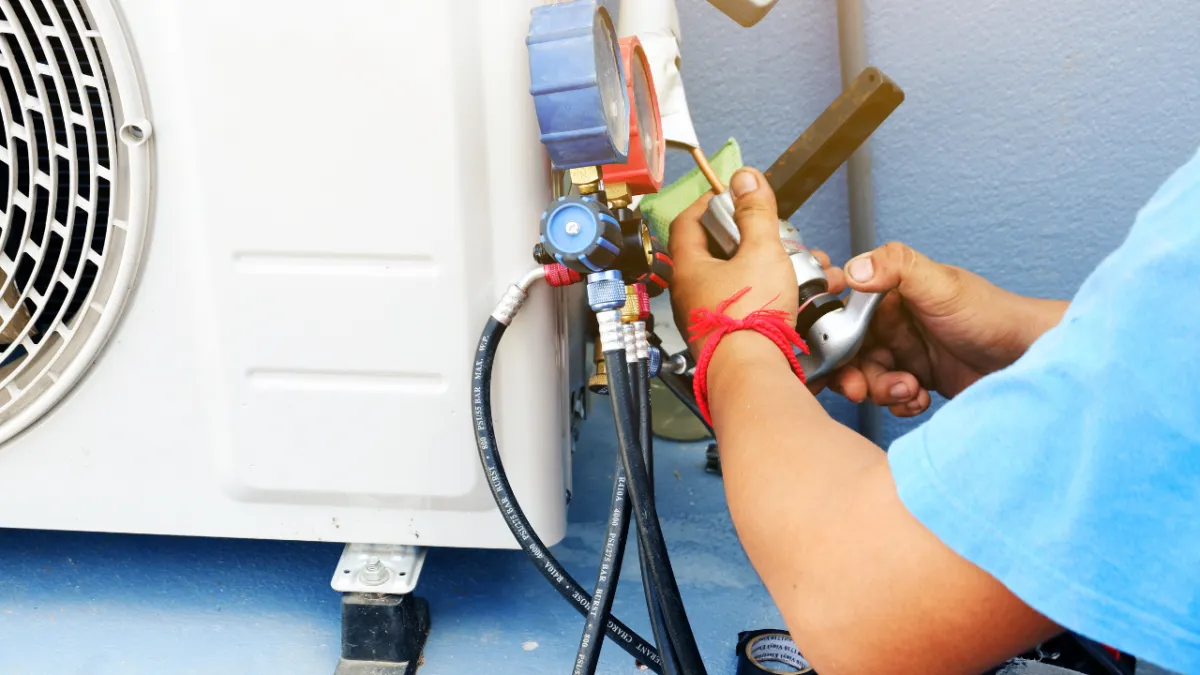
Outdoor Condenser Unit Not Running
# Troubleshooting Outdoor Condenser Failures For an aircon to cool, both the indoor fan coil and outdoor condenser unit must run together. If your indoor unit operates but the outdoor condenser unit on your HDB aircon ledge remains completely silent, cooling is impossible. ## Common Reasons Outdoor Units Fail to Run - **Failed Compressor Start Capacitor:** Unable to deliver the voltage boost needed to start the compressor motor. - **Faulty Contactor Relay:** Burnt contactor points failing to send electrical power to the outdoor fan and compressor. - **Outdoor Inverter PCB Failure:** Power surges or gecko intrusion burning the outdoor main control board. - **Tripped Outdoor Isolator:** Weathered outdoor isolator switch breaking electrical connection. ## Professional Repair Actions 1. **On-Site Voltage & Continuity Testing:** Tracing electrical supply from indoor terminal blocks to the outdoor isolator and board. 2. **Capacitor & Contactor Replacement:** Replacing failed electrical start modules on the spot. 3. **Outdoor PCB Repair / Replacement:** Restoring electronic communication between indoor and outdoor modules.
1 min read
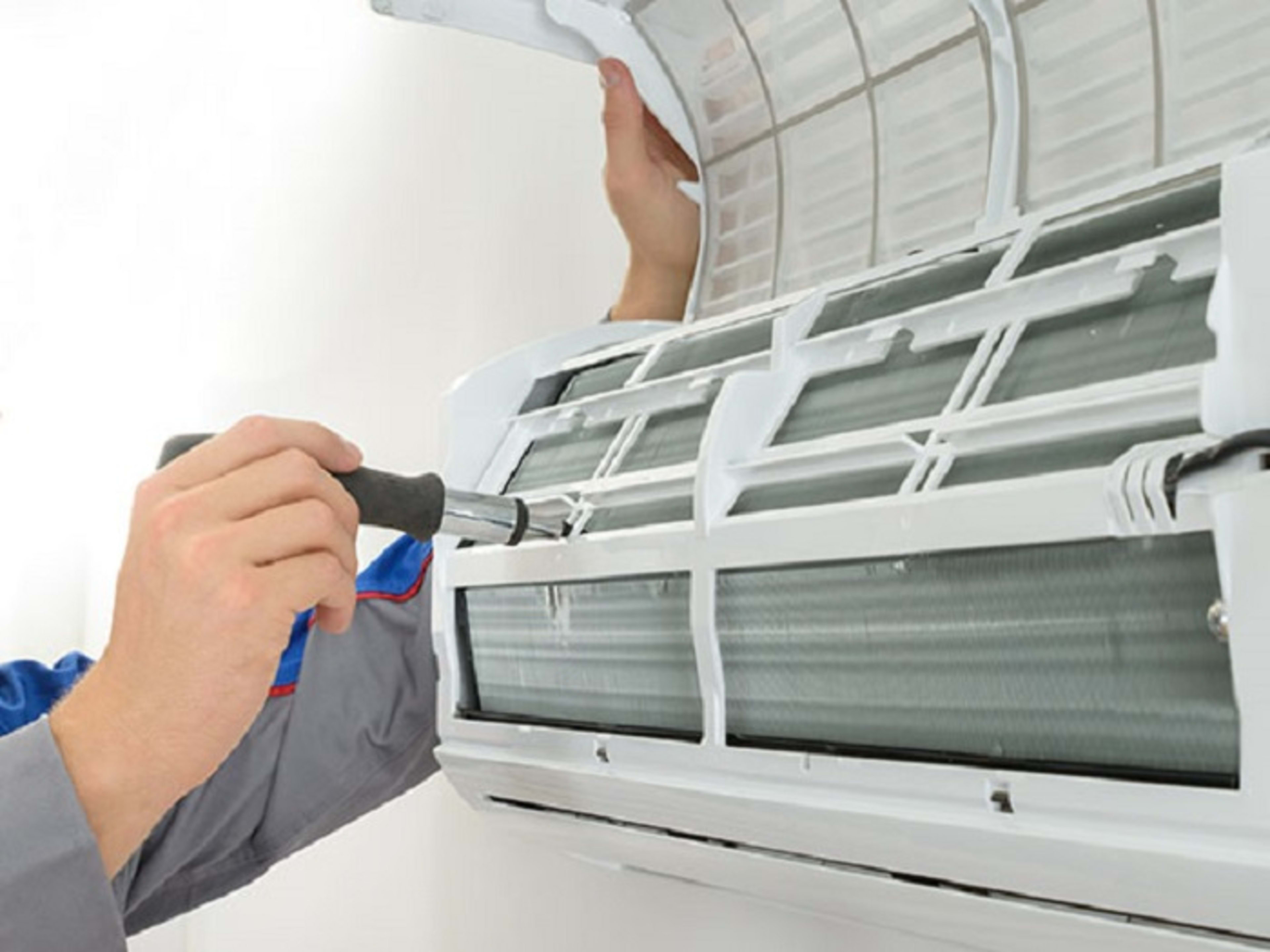
Aircon Turning Off Automatically After a Few Minutes
# Why Does Your Aircon Keep Turning Off? If your aircon turns on, runs for 2 to 5 minutes, and then abruptly shuts down with blinking lights, it is triggering an emergency protection loop. Air conditioners feature built-in safety cut-offs designed to protect expensive components like compressors and electronic circuit boards from catastrophic failure. ## Reasons for Auto-Shutdown - **Overheated Compressor:** Outdoor condenser coils choked with thick dirt, preventing heat release and causing thermal overload cut-off. - **Faulty Thermistor / Temperature Sensor:** Misreading room or coil temperatures and sending false overheat/freeze signals to the PCB. - **Refrigerant System Over-Pressure:** Clogged electronic expansion valves causing pressure spikes. - **Fan Motor Overload:** Indoor or outdoor fan motor overheating due to failed bearings or dust lockup. ## Repair & Diagnostic Process 1. **Thermal Sensor Testing:** Testing thermistor resistance levels against factory temperature charts. 2. **Outdoor Coil Chemical Jet Wash:** Washing dirty outdoor condenser coils to allow heat release. 3. **System Pressure Diagnostic:** Checking expansion valve operations and refrigerant gas balance.
1 min read
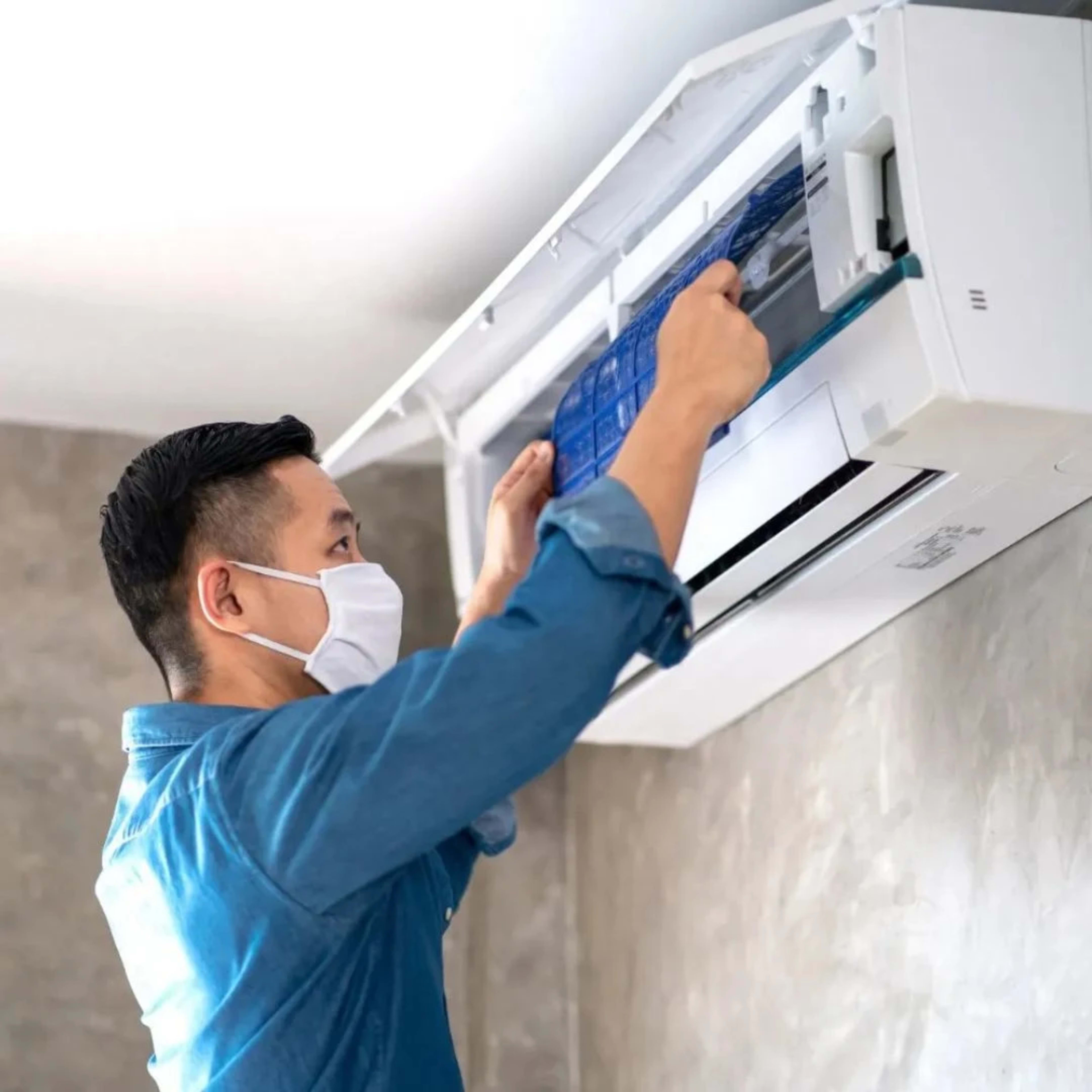
Aircon Power Tripping Circuit Breaker (DB Box)
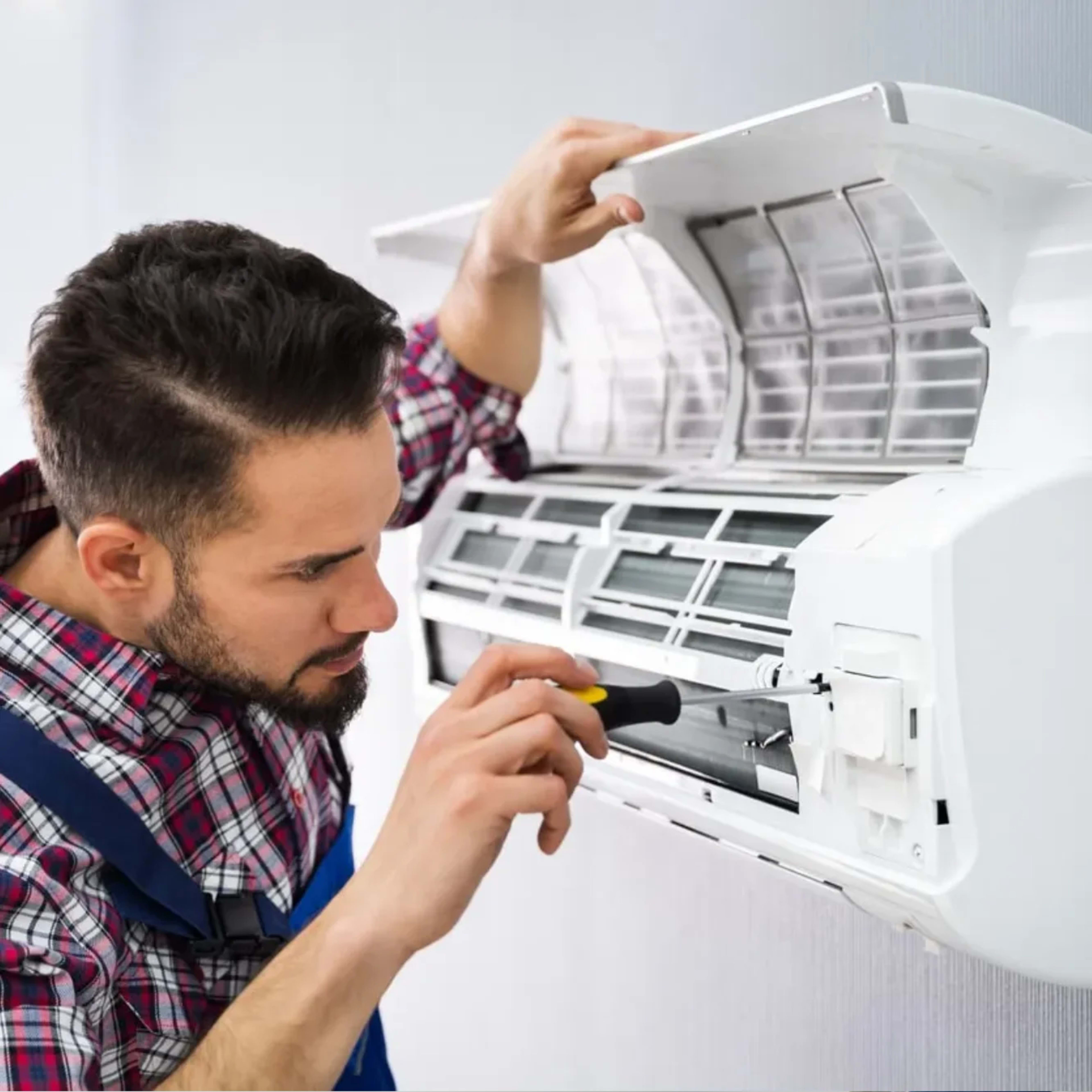
# Fixing Aircon Circuit Breaker Trips If switching on your aircon causes the Earth Leakage Circuit Breaker (ELCB) or main Distribution Board (DB box) in your Singapore flat to trip immediately, a serious electrical fault exists. Do not attempt to reset the breaker repeatedly without inspection, as forced power restarts can cause electrical fires or permanently burn electronic components. ## Causes of Power Trips - **Short-Circuited Circuit Board (PCB):** Water leaks or insect intrusion burning PCB traces. - **Grounded Outdoor Compressor:** Motor insulation breakdown inside the compressor causing electrical current leakage to the metal chassis. - **Burnt Electrical Isolator Switch:** Corrosion or loose wiring contacts inside the outdoor isolator box. - **Faulty Start Capacitor:** Shorted capacitor drawing extreme over-current during startup. ## Emergency Repair Steps 1. **Electrical Insulation Resistance Test:** Megger testing compressor windings to check ground insulation. 2. **Isolator & Wiring Inspection:** Replacing corroded outdoor switches and shorted wires. 3. **PCB Module Repair:** Solder-repairing or replacing shorted circuit board assemblies.
1 min read
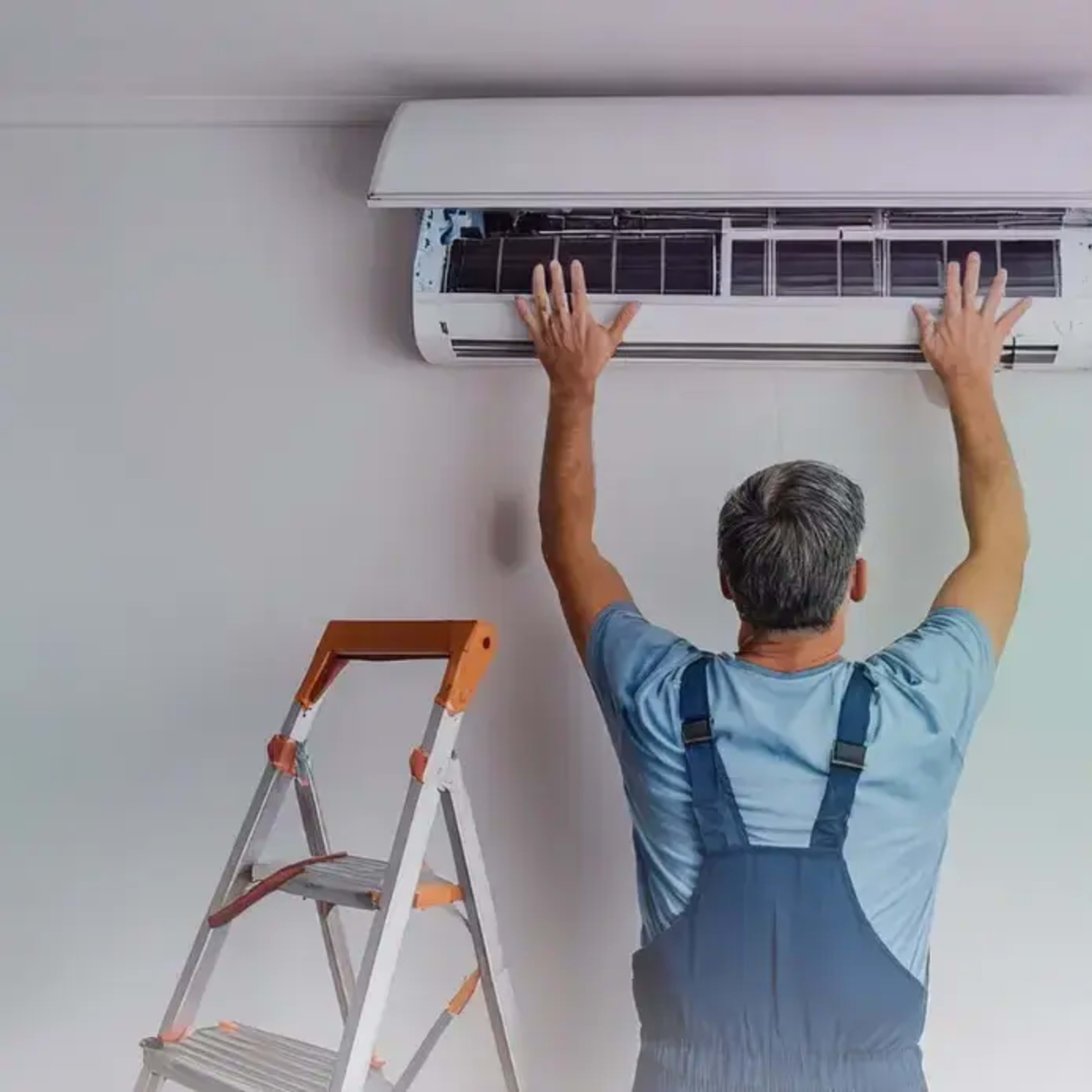
Weak or Uneven Airflow Output
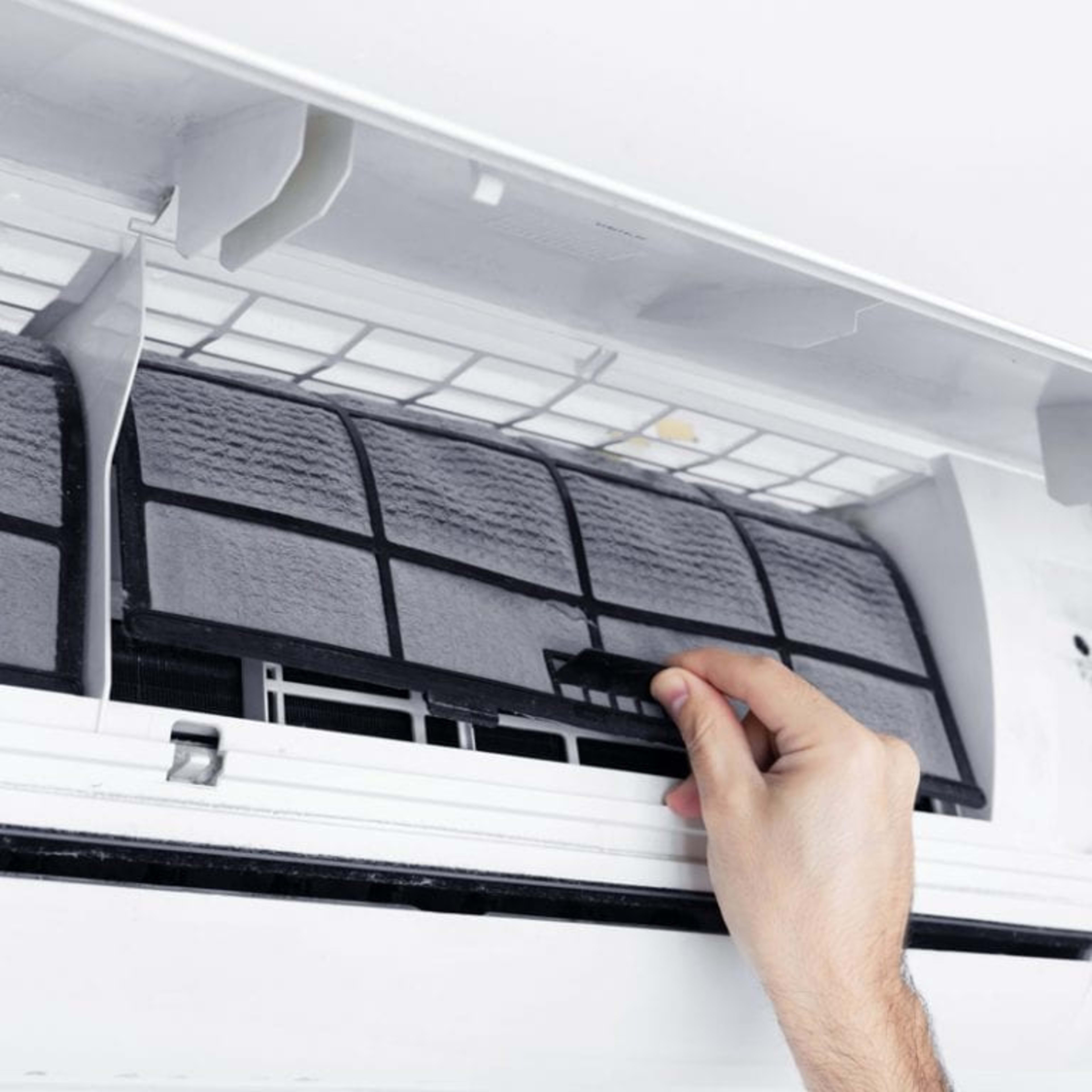
# Resolving Weak Aircon Airflow If you set your aircon fan speed to high but only feel a faint breeze coming from the louvers, your air conditioner is struggling with air intake or discharge blockages. Weak airflow prevents cool air from reaching distant corners of your room, forcing the system to run constantly and inflating electricity bills. ## Why Airflow Becomes Weak - **Dirty Nylon Mesh Filters:** Dust forming an impenetrable blanket over the intake grille. - **Clogged Evaporator Fins:** Fine dust settling deep between aluminum cooling fins. - **Dust-Coated Blower Wheel:** Dirt filling the curved scoops of the cylindrical fan wheel blades, destroying aerodynamic throw velocity. - **Faulty Swing Louver Motor:** Broken louver motor failing to open vanes fully. ## How We Restore Airflow 1. **High-Velocity Fan Coil Wash:** Brushing and washing aluminum fins and mesh filters. 2. **Blower Wheel Deep Cleaning:** Extracting thick dust from internal fan blades to restore air throw velocity. 3. **Louver Motor Repair:** Replacing broken louver drive gears or motors.
1 min read
Aircon Indicator Light Blinking Continuously
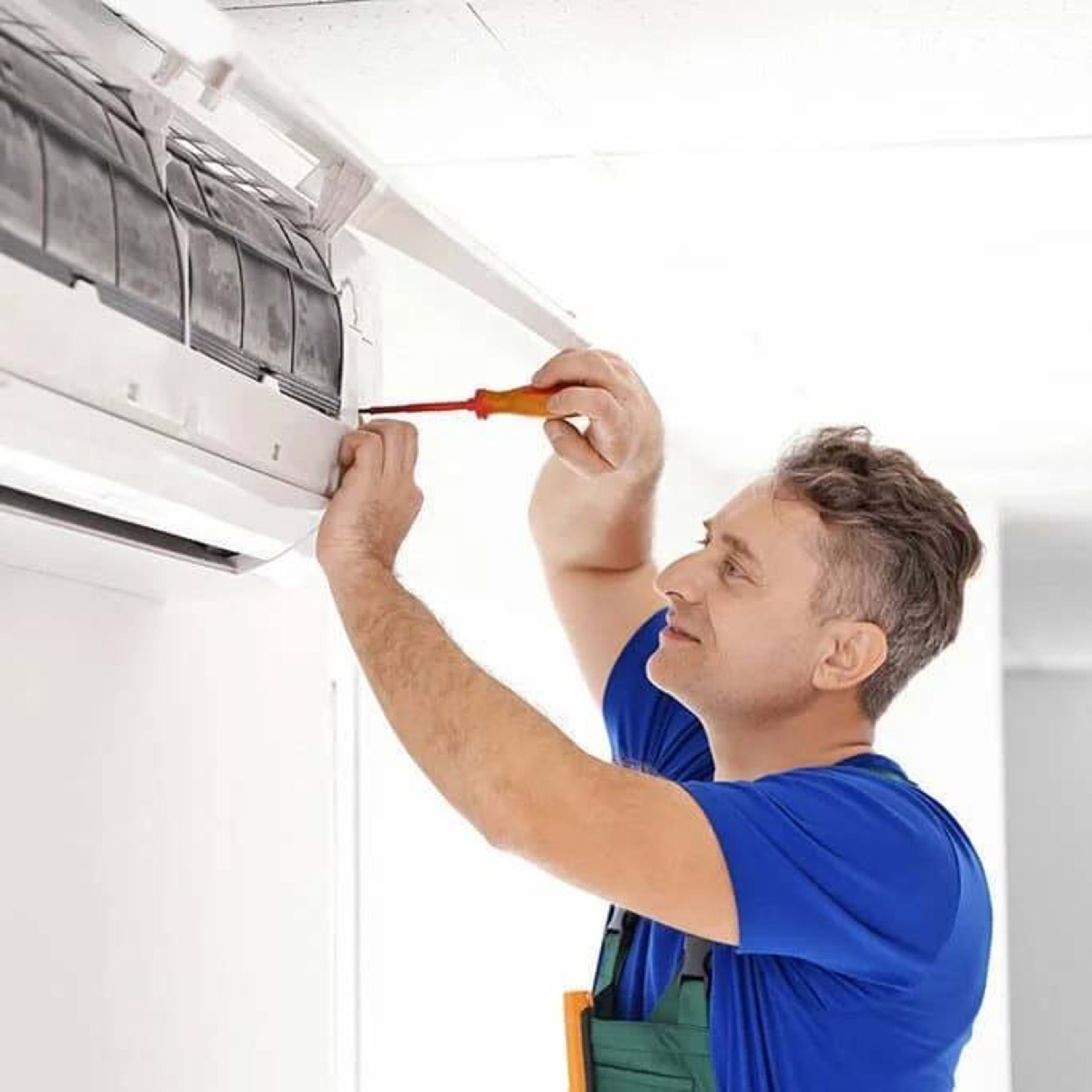
# What Does a Blinking Aircon Light Mean? When the power, timer, or operation light on your indoor aircon display panel begins blinking continuously and the unit refuses to cool, your aircon's control board has triggered a safety diagnostic alert. Inverter air conditioners use internal microprocessors to monitor system parameters. When a sensor reads abnormal values, the aircon shuts down to prevent permanent component damage. ## Common Triggers for Blinking Error Lights - **Fan Motor Lockup:** Thick dust weighing down the blower wheel or a failed motor feedback sensor. - **Thermistor Sensor Error:** Open or short-circuited temperature sensor wiring. - **Refrigerant Leak / Under-Pressure:** System detecting inadequate gas pressure. - **Communication Failure (PCB):** Signal transfer loss between indoor and outdoor circuit boards. ## How We Diagnose Blinking Lights 1. **Remote Control Diagnostic Scan:** Reading explicit error codes (e.g., Daikin `A6`/`UA` or Mitsubishi 2-blink codes) via handheld remote controls. 2. **Multimeter Sensor Testing:** Checking thermistor resistance values and board signal outputs. 3. **Targeted Repair:** Replacing the specific faulty thermistor, fan motor, or circuit board module.
1 min read
Ice Formation and Freezing on Aircon Coils
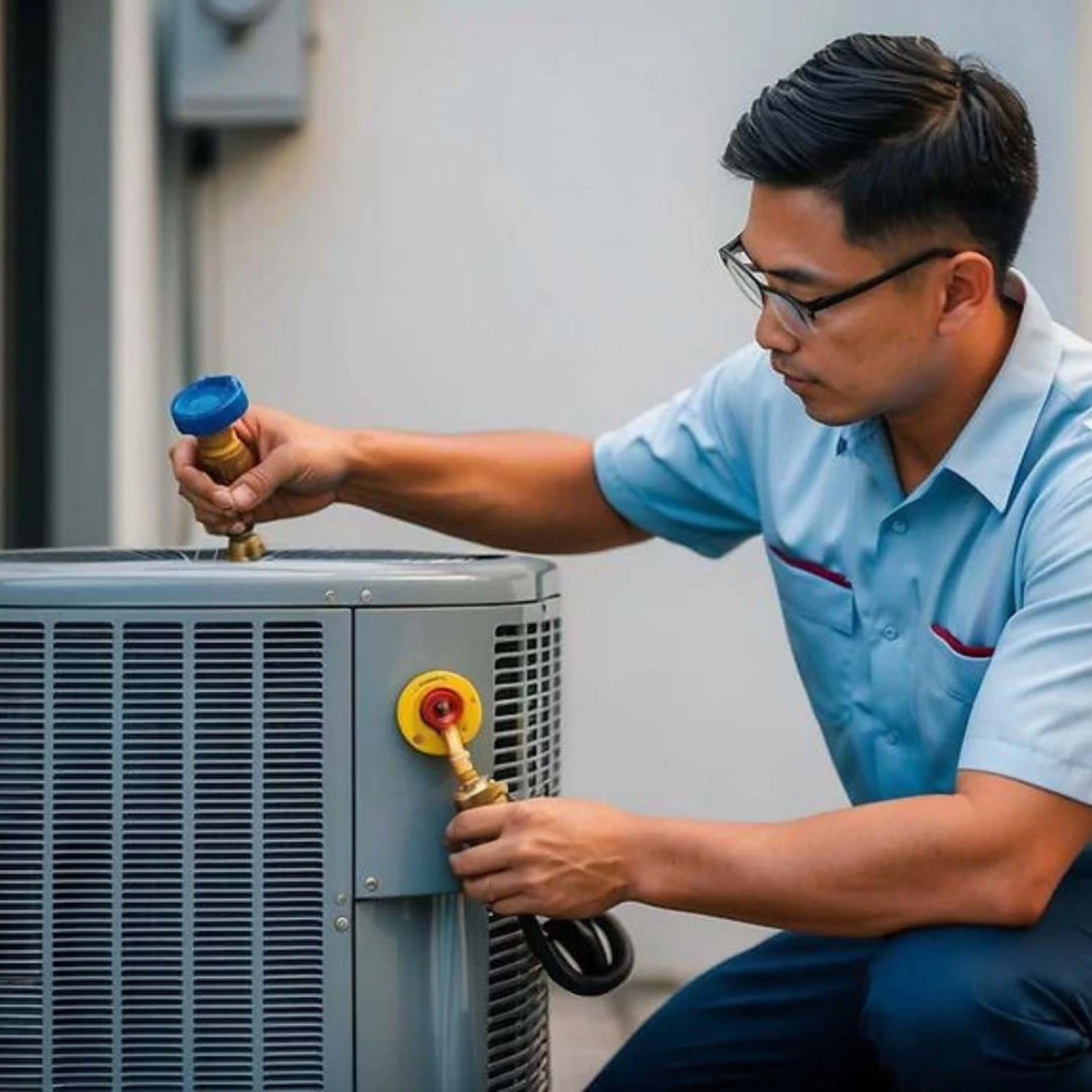
# Understanding Aircon Coil Freezing If you see ice crystals forming behind your front air filters or notice ice chunks blowing out from the air louvers, your air conditioner's thermodynamic cycle is severely disrupted. Coil freezing occurs when the temperature of the indoor evaporator coil drops below 0°C, freezing condensed moisture directly onto the aluminum fins. ## Primary Reasons for Coil Freezing - **Severe Airflow Restriction:** Extremely dirty air filters or clogged evaporator fins prevent room air from passing across the coil. Heat cannot transfer into the refrigerant, causing temperatures to drop below freezing. - **Low Refrigerant Gas Pressure:** When gas levels leak and drop below operating PSI, internal pressure decreases, driving boiling temperatures down to freezing levels. - **Faulty Blower Fan Motor:** A failing fan motor that spins too slowly fails to draw warm room air across the cooling fins. ## Professional Repair Steps 1. **System Defrosting:** Shutting off cooling mode to allow ice blocks to melt safely without flooding the unit. 2. **Chemical Overhaul:** Deep chemical cleaning to remove heavy dirt insulating the cooling fins. 3. **Leak Testing & Gas Recharge:** Nitrogen pressure testing to locate copper leaks, repair joint flares, and top up refrigerant gas.
1 min read
Musty and Foul Odor Coming from Aircon
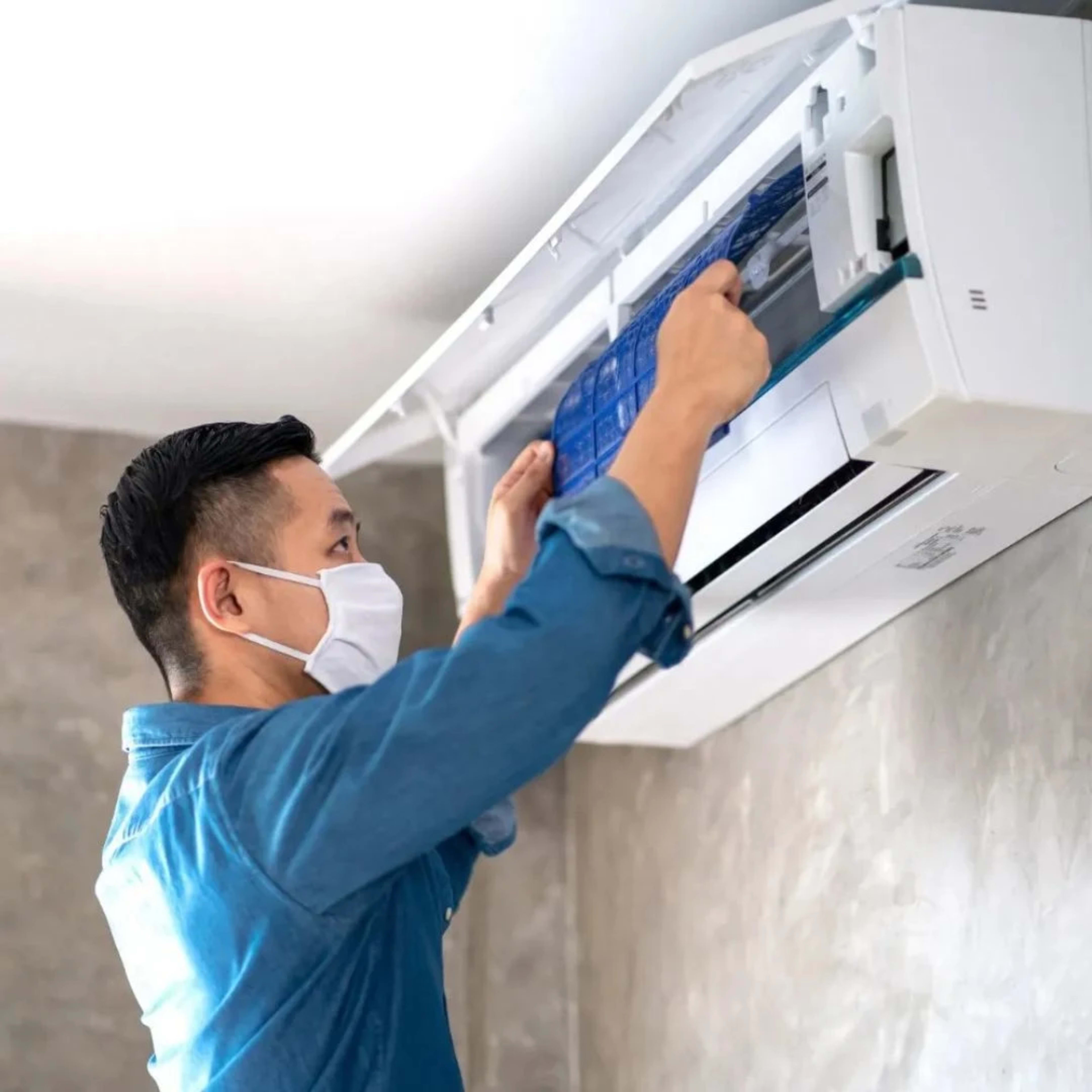
# Why Does Your Aircon Smell Bad? Switching on your aircon should release crisp, clean air. If you notice a musty, sour, or vinegar-like smell filling the room, airborne bacteria and fungal mold colonies are growing inside your indoor unit. Because aircons absorb room moisture, dark and damp spaces between aluminum cooling fins provide ideal conditions for black mold (*Cladosporium*) and bacteria to thrive. ## Causes of Aircon Bad Odors - **Mold Growth on Evaporator Coils:** Organic dust and moisture feeding fungal mold colonies. - **Stagnant Water in Drain Pan:** Trapped bio-slime producing a pungent, foul smell. - **Absorbed Household Odors:** Cooking grease, durian smells, or pet odor absorbed into internal plastic casing panels. ## How to Eliminate Aircon Odors 1. **Chemical Wash Treatment:** Applying specialized non-corrosive chemical cleaners to destroy mold spores and bacterial colonies on contact. 2. **High-Pressure Coil Rinsing:** Flushing away dissolved organic matter with clean water. 3. **Anti-Bacterial Sanitizing Spray:** Coating coils with sanitizing spray to retard future mold growth.
1 min read
Aircon Making Loud Rattling or Squeaking Noise
# Troubleshooting Aircon Noise Issues A quiet air conditioner is essential for restful sleep. If your indoor fan coil or outdoor condenser starts producing loud vibrating, rattling, or high-pitched squeaking sounds, mechanical components require attention. ## Common Sources of Aircon Noise - **Unbalanced Blower Wheel:** Dirt accumulating unevenly on the cylindrical fan wheel blades causes weight imbalance as it spins at high speed, leading to loud rattling. - **Worn Fan Bearings:** Dry or damaged motor bearings produce a continuous squeaking or grinding sound. - **Loose Casing or Mounting Bracket:** Loose screws or un-anchored casing panels vibrate against the wall when the fan motor operates. - **Outdoor Compressor Strain:** Worn internal compressor dampers or mounting rubbers create loud humming or buzzing noises outdoors. ## Recommended Solutions 1. **Fan Wheel Extraction & Cleaning:** Dismantling and washing the blower wheel to restore aerodynamic balance. 2. **Motor Bearing Lubrication or Replacement:** Servicing fan bearings to eliminate squeaking. 3. **Casing Anchoring & Vibration Dampening:** Tightening panel screws and adding rubber dampening pads to outdoor brackets.
2 min read
Aircon Blowing Warm Air
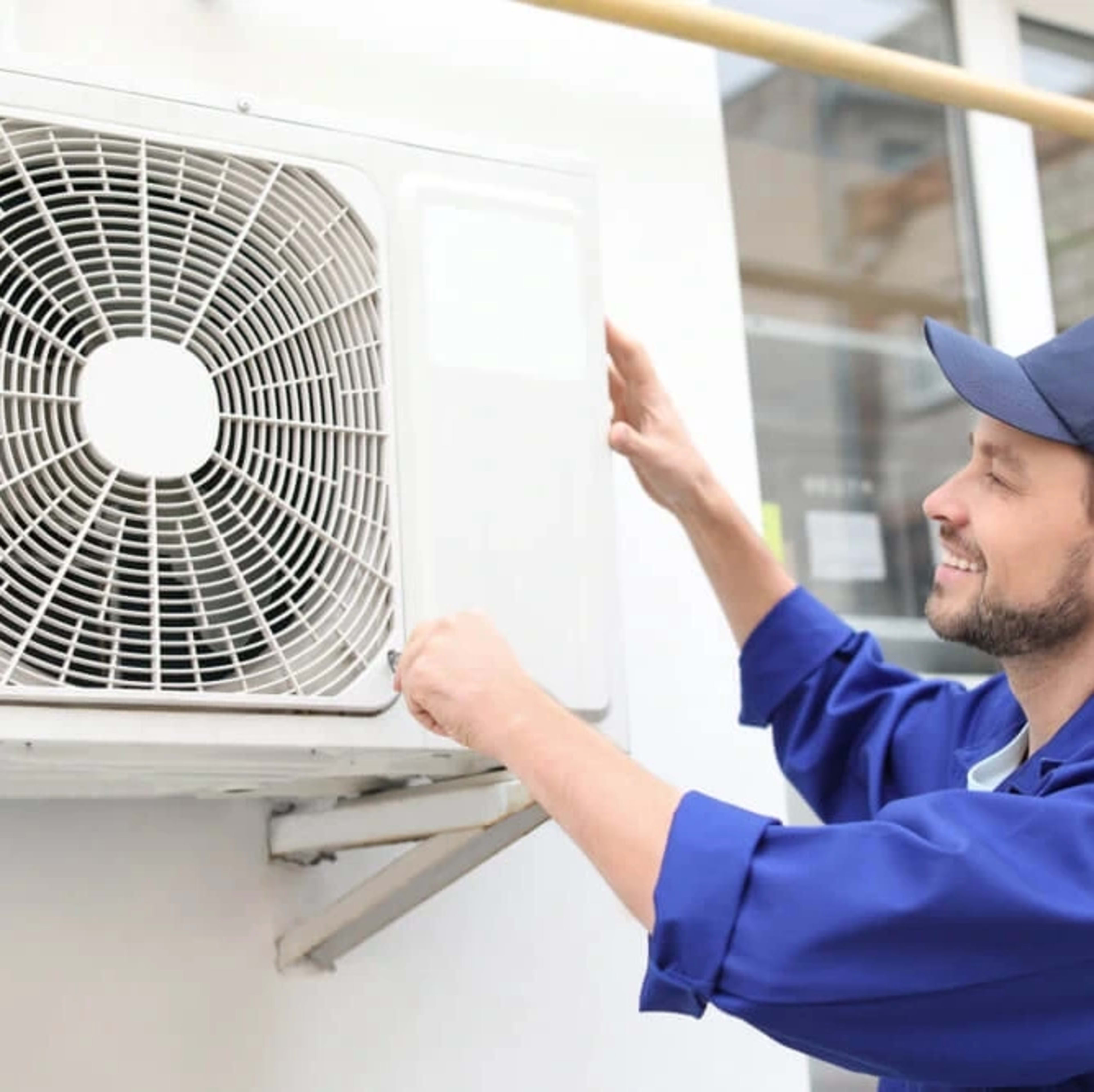
# Why Is Your Aircon Blowing Warm Air? If your aircon is running but blowing room-temperature or warm air, the indoor fan coil is functioning, but the cooling loop is failing. Without active heat exchange from the outdoor compressor, your aircon behaves like a ceiling fan. ## Primary Causes of Non-Cooling - **Blown Start / Run Capacitor:** The capacitor provides the electrical surge needed to start the outdoor compressor motor. If it fails due to heat wear, the compressor cannot turn on. - **Refrigerant Gas Leak:** Microscopic pinhole leaks along copper joints or service valves drain refrigerant pressure, preventing cooling. - **Dirty Outdoor Condenser:** Thick street dust or haze particles blocking outdoor condenser fins cause the compressor to overheat and cut off. - **Faulty Thermistor Sensor:** A defective room temperature sensor misreads ambient temperatures, keeping the system in idle fan mode. ## How We Repair Non-Cooling Aircons 1. **On-Site Electrical Diagnostics:** Testing compressor capacitors, contactor relays, and signal voltages using multimeters. 2. **Refrigerant Pressure Test:** Connecting manifold gauges to check R32, R410A, or R22 gas levels. 3. **Capacitor & Sensor Replacement:** Swapping defective capacitors or thermistor harnesses on the spot. 4. **Condenser Jet Wash:** High-pressure jet washing of outdoor coils to restore heat dissipation.
2 min read
Aircon Water Dripping and Leaking
# Why Is Your Aircon Dripping Water? Water leaking from an indoor fan coil unit is one of the most common emergency aircon problems in Singapore homes. In our high-humidity tropical environment, air conditioners condense large amounts of moisture out of the air as they cool. This water collects in an internal drain pan and flows out through a narrow PVC drainage pipe. Over time, airborne dust, skin flakes, and bacteria combine inside the drain pan to form a thick, jelly-like bio-slime. Once this jelly plugs the drainage pipe, water fills up the pan and overflows down your wall, threatening wallpaper, parquet floors, and furniture. ## Common Causes of Water Leaks - **Choked Drainage Line:** Bio-jelly accumulation blocking the PVC drain hose. - **Dirty Air Filters:** Clogged filters restrict airflow, causing the coil to freeze into ice, which melts into a volume of water larger than the tray can hold. - **Improper Slope Gradient:** The indoor unit or drainage pipe lacks a downward slope toward the drain outlet. - **Sweating Insulation:** Degraded or thin Armaflex insulation foam allowing condensation to form on the outside of copper trunking. ## How We Fix Water Leaks 1. **High-Pressure Vacuum Flushing:** Using wet/dry suction vacuums to pull out bio-jelly and clear the main PVC drain line. 2. **Drain Pan Sanitization:** Washing and flushing the internal drainage collection tray. 3. **Chemical Servicing / Overhaul:** For severe or recurring leaks, deep chemical cleaning removes hidden slime in the rear drain tray. 4. **Slope Realignment:** Adjusting the mounting bracket slope to ensure gravity drainage works properly.