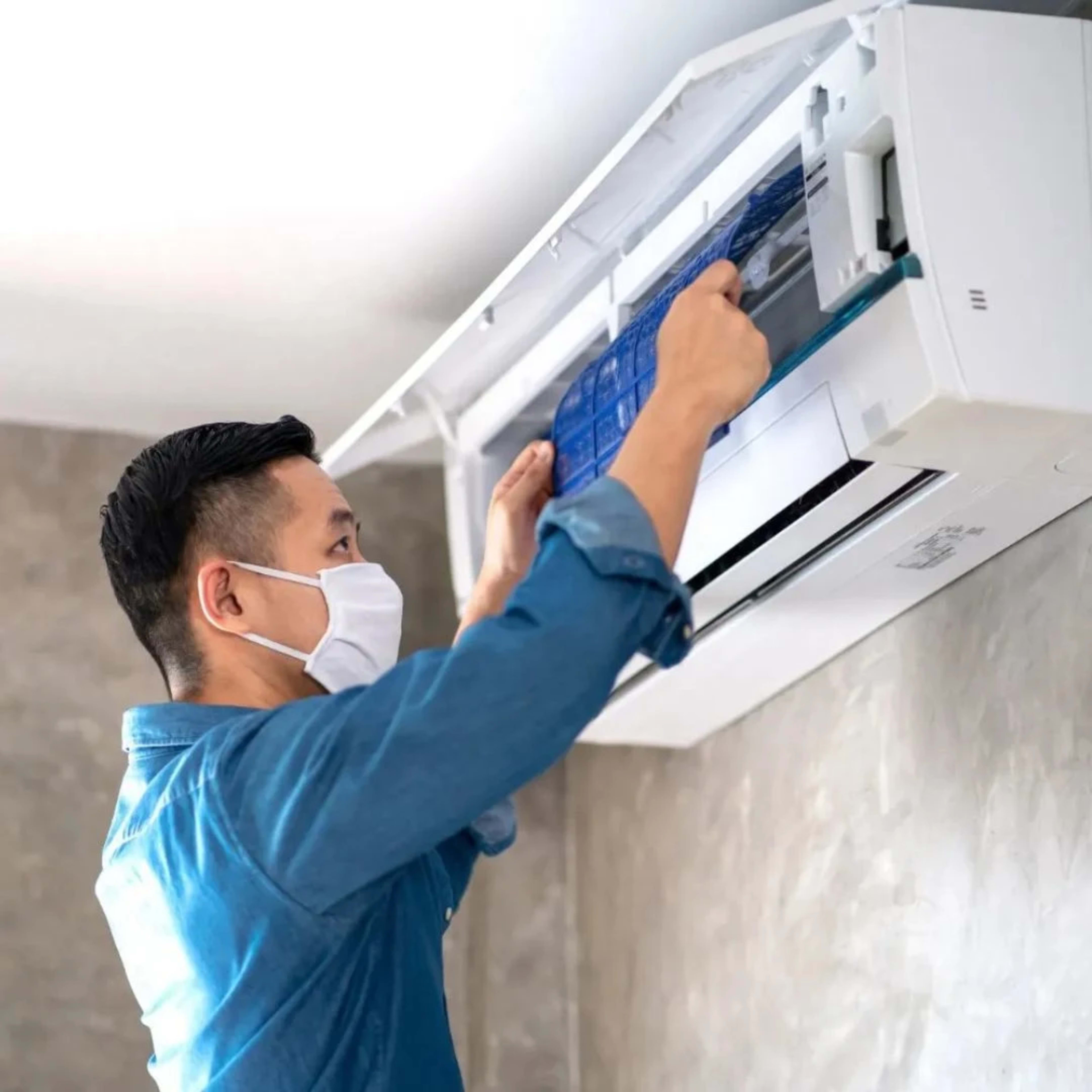
The Complete Aircon Dismantle and Reinstallation Guide for Home Renovations
Embarking on a major home renovation, HDB wall hacking, or whole-house painting project? One critical mistake homeowners make is leaving their aircon units hanging on walls unprotected during construction.
Fine concrete dust and paint fumes will permanently choke cooling coils and ruin internal fan bearings. Here is why proper dismantling and reinstallation is essential.
Step 1: Professional Refrigerant Pump-Down
Before taking down an aircon unit, technicians perform a pump-down sequence using the outdoor compressor. This traps 100% of the existing refrigerant gas safely inside the outdoor unit valves, preventing gas loss and saving you refilling costs later.
Step 2: Safe Pipe Sealing and Dismounting
Once the gas is trapped, copper lines are disconnected and immediately capped off with moisture-proof seals. The indoor units are safely removed and stored away in clean dust-free boxes.
Step 3: Post-Renovation Reinstallation
After renovation works are completed and dust has settled:
- Wall mounting brackets are re-anchored securely.
- Indoor units are remounted and copper flare connections re-joined.
- Technicians run a deep vacuum pump to purge moisture from the piping network before releasing the gas back into the circuit.
Regular aircon servicing is one of the most effective ways to keep an air-conditioning system operating efficiently, comfortably, and reliably. Whether the system is installed in a home, office, shop, restaurant, or commercial building, routine servicing helps maintain airflow, cooling performance, and indoor air quality while reducing the likelihood of unexpected breakdowns.
An air-conditioning system operates continuously by circulating air through filters, fan coils, coils, drainage components, and other internal parts. Over time, dust, dirt, moisture, and other contaminants can accumulate inside the unit. When these components become dirty, the system may need to work harder to achieve the same cooling level. This can result in weaker airflow, longer cooling times, unpleasant odours, and higher energy consumption.
Why Regular Aircon Servicing Is Important
Many aircon problems begin with small issues that are difficult to notice during normal daily use. A unit may still produce cool air even though its filter is heavily blocked or its evaporator coil is gradually becoming dirty. Without regular maintenance, the problem can become more serious.
Routine servicing allows technicians to inspect and clean important components before they significantly affect system performance. A properly maintained aircon can provide more consistent cooling and reduce unnecessary strain on the compressor and other components.
Regular servicing is particularly useful in environments where the aircon operates for many hours each day. Offices, retail spaces, restaurants, classrooms, and other busy locations can accumulate dust more quickly than lightly used residential spaces.
What Is Included in Aircon Servicing?
A standard aircon service generally involves inspection, cleaning, and basic performance checks. The exact work depends on the type and condition of the system.
The technician may begin by checking the overall condition of the indoor and outdoor units. Filters are inspected and cleaned to remove accumulated dust. The fan coil area is checked for dirt and airflow restrictions, while the drainage system is inspected for signs of blockage.
The evaporator coil is also an important part of the inspection. Dirt accumulation on the coil can reduce heat transfer and affect cooling performance. Cleaning this component can help restore proper airflow and cooling efficiency.
The outdoor condenser unit should also be inspected. Leaves, dust, and other debris can restrict airflow around the condenser. Proper airflow is essential because the outdoor unit releases the heat collected from the indoor environment.
Air Filter Cleaning
Air filters are among the easiest components to overlook. Their primary function is to trap airborne particles before they enter deeper into the air-conditioning system.
When filters become clogged, less air can pass through the unit. The fan may need to work harder, while the cooling system may take longer to achieve the desired room temperature.
Cleaning the filters as part of routine servicing helps maintain airflow and supports better overall system performance. The recommended cleaning frequency depends on usage, indoor air conditions, and the surrounding environment.
Fan Coil Inspection
The fan coil unit is responsible for moving and cooling air inside the room. Dust accumulation around the fan, coil, and internal surfaces can gradually reduce performance.
During servicing, the technician can inspect the fan coil for visible dirt, unusual noise, water accumulation, and other signs of potential problems. If the fan coil is significantly dirty, standard servicing may not be sufficient and a more intensive cleaning procedure may be recommended.
Drainage System Inspection
Water produced during the cooling process needs to drain away correctly. The aircon drainage system carries condensate water from the indoor unit to an appropriate drainage point.
A partially blocked drain may cause water to collect inside the unit and eventually leak into the room. During servicing, the drainage line and drain pan can be inspected and cleaned where necessary.
This is particularly important when an aircon has previously experienced water leakage.
Condenser Cleaning
The condenser is located in the outdoor unit and plays an important role in releasing heat. Dust and debris can accumulate on the condenser coil and restrict airflow.
A dirty condenser can reduce the efficiency of heat transfer and cause the system to operate under greater strain. Cleaning the condenser helps maintain proper airflow and heat rejection.
For outdoor units exposed to dusty or polluted environments, condenser cleaning may need to be performed more frequently.
Signs Your Aircon Needs Servicing
Several signs may indicate that an aircon requires professional attention. These can include:
Reduced cooling performance
Weak airflow
Unusual sounds
Unpleasant smells
Water dripping from the indoor unit
Longer cooling times
Frequent cycling
Excessive dust around the aircon
Unusual increases in electricity consumption
Airflow that feels inconsistent
One symptom does not necessarily indicate one specific fault. For example, poor cooling may be caused by dirty filters, dirty coils, refrigerant-related problems, airflow restrictions, or component faults. A proper inspection helps identify the actual cause.
Servicing Versus Repair
Aircon servicing and aircon repair are related but different services.
Servicing focuses primarily on cleaning, inspection, maintenance, and performance checks. Repair work is required when a component or part has developed a fault.
For example, cleaning a dirty evaporator coil is a servicing task. Replacing a faulty fan motor is a repair task. In some situations, servicing may identify a component that requires repair or replacement.
Addressing smaller issues during routine maintenance can help prevent them from developing into larger problems.
How Often Should Aircon Servicing Be Done?
There is no single servicing interval that is suitable for every installation. Usage frequency, operating hours, indoor environment, dust levels, and system type all affect maintenance requirements.
An aircon used occasionally in a relatively clean residential room may require less frequent servicing than a commercial system operating throughout the day.
For heavily used systems, regular professional inspection is particularly valuable. Instead of waiting until the aircon stops cooling, scheduled servicing allows potential problems to be identified earlier.
Benefits of Professional Aircon Servicing
Professional servicing provides more than basic surface cleaning. A trained technician can inspect different parts of the system and identify symptoms that may not be obvious to the user.
Proper maintenance can help support:
- Better airflow
- More consistent cooling
- Cleaner internal components
- Reduced risk of drainage problems
- Improved heat transfer
- More reliable operation
- Early identification of faults
- Longer service life of components
Maintenance cannot eliminate every possible breakdown, but it can reduce avoidable problems caused by dirt, blocked drainage, poor airflow, and neglected components.
Choosing the Right Aircon Service
When arranging aircon servicing, it is important to explain the symptoms and usage conditions to the technician. If the unit is not cooling properly, leaking water, producing unusual noise, or developing an odour, mentioning these symptoms can help guide the inspection.
A good service should focus on the actual condition of the system rather than applying the same procedure to every unit. Some systems may only require routine cleaning, while heavily contaminated or poorly performing systems may require chemical servicing, repair work, or other specialised maintenance.
Final Thoughts
Aircon servicing is a practical part of responsible air-conditioning maintenance. Regular inspection and cleaning help keep filters, coils, fans, drainage components, and outdoor units in better operating condition.
Instead of waiting for a major breakdown, regular servicing allows potential problems to be identified earlier. For residential and commercial air-conditioning systems alike, a consistent maintenance routine can contribute to better comfort, cleaner airflow, and more dependable performance throughout the year.
Protect your valuable air conditioning investment during home upgrading by booking professional dismantling services before contractors start hacking walls!