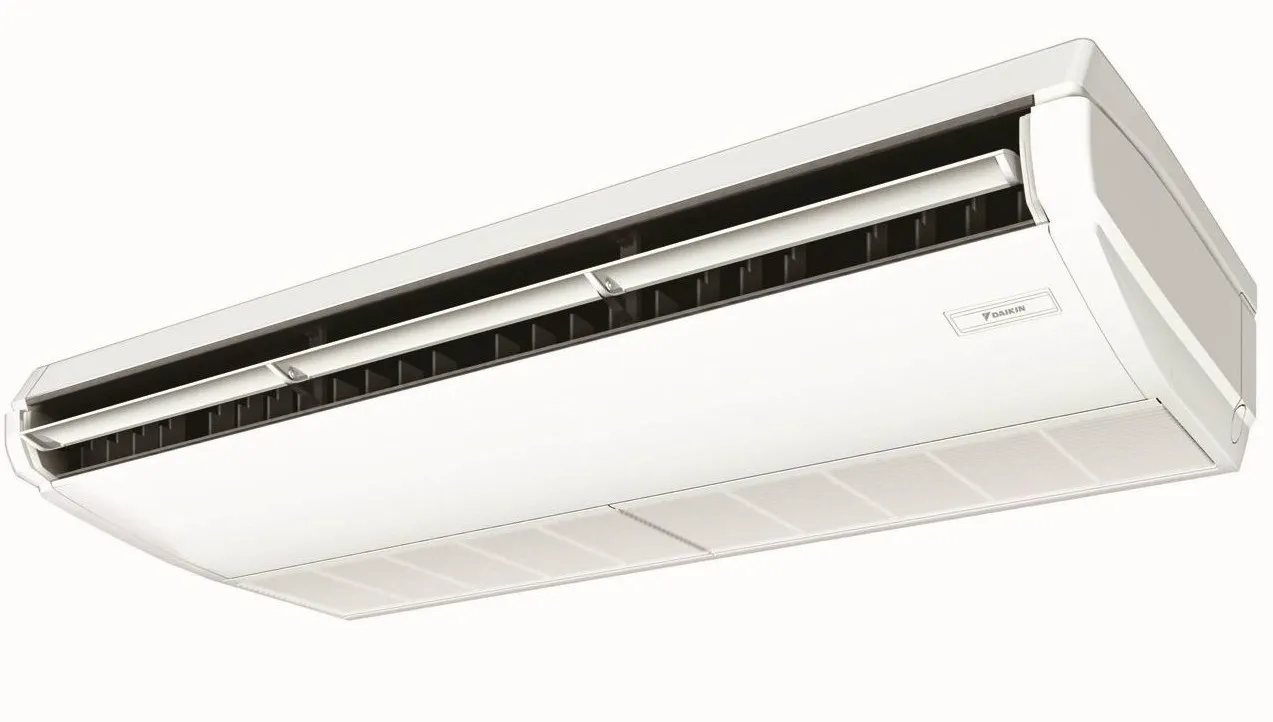
Daikin Air Conditioners in Singapore: Complete Guide
Daikin is one of the most established names in the air-conditioning industry and is widely associated with specialist HVAC engineering rather than simply being a general home-appliance brand.
That distinction matters.
Daikin's business has historically been closely connected to heating, ventilation, air conditioning, refrigeration, compressors, and refrigerant technologies. As a result, its air conditioners are designed around a complete cooling system rather than focusing only on the indoor unit or a collection of consumer-facing features.
For Singapore, this approach is particularly relevant.
The country has a hot and humid tropical climate, which means air conditioning is often used for many hours every day. The system has to deal with high outdoor temperatures, humidity, frequent cooling cycles, and continuous operation.
Daikin therefore deserves consideration not only for how quickly it can cool a room, but also for how effectively it can manage temperature, humidity, airflow, energy consumption, refrigerant performance, and long-term reliability.
The most important question when choosing Daikin is not simply:
"Is Daikin a good air conditioner?"
A better question is:
"Does Daikin's engineering-focused approach match the way I use air conditioning?"
For households that value efficient long-term operation, refined temperature control, quiet comfort, and professional HVAC technology, the answer can be yes.
Why Choose Daikin Air Conditioners?
Daikin's strongest differentiator is that air conditioning is its core business.
Unlike companies that produce air conditioners alongside televisions, smartphones, washing machines, refrigerators, and other consumer products, Daikin has built its global identity around climate-control technology.
That specialist focus is reflected in areas such as:
* Compressor development.
* Inverter control.
* Refrigerant technology.
* Heat-exchanger design.
* Airflow engineering.
* Humidity management.
* Multi-zone systems.
* VRV/VRF technology.
* Commercial HVAC.
* Residential air conditioning.
This makes Daikin particularly interesting for people who want an air conditioner designed around the fundamentals of climate control.
Daikin can be a strong choice for:
* Homeowners who use AC frequently.
* People who prioritise energy efficiency.
* Users who care about humidity control.
* Bedroom users who want quiet operation.
* Larger homes requiring multiple indoor units.
* Commercial property owners.
* Users interested in advanced HVAC systems.
* Buyers planning long-term ownership.
One important point is that Daikin is not one single level of product.
Its portfolio includes different series, capacities, technologies, and system configurations.
Therefore, the exact model matters.
Types of Daikin Air Conditioning Systems
Daikin offers one of the broadest air-conditioning portfolios, covering both residential and commercial applications.
1. Daikin Wall-Mounted Split Air Conditioners
These are suitable for individual rooms such as:
* Bedrooms.
* Living rooms.
* Study rooms.
* Home offices.
* Small commercial spaces.
They are generally the simplest solution when only one room requires dedicated cooling.
2. Daikin Multi-Split Systems
Multi-split systems connect several indoor units to an outdoor unit.
This can be useful for:
* Condominiums.
* HDB-style multi-room homes.
* Landed properties.
* Multi-bedroom apartments.
Each indoor unit can typically provide individual room control while sharing the outdoor system.
3. Daikin Ceiling Cassette Systems
Cassette units are designed to distribute air from the ceiling.
They are particularly suitable for:
* Offices.
* Restaurants.
* Retail stores.
* Meeting rooms.
* Larger open spaces.
4. Daikin Ducted Air Conditioning
Ducted systems are designed for spaces where air conditioning should be integrated into the ceiling.
The visible interior components can be limited to vents or grilles.
This approach works well for:
* Premium residential projects.
* Large homes.
* Offices.
* Hotels.
* Commercial interiors.
5. Daikin VRV Systems
One of Daikin's most important technologies is VRV, which stands for Variable Refrigerant Volume.
VRV is Daikin's proprietary terminology for a type of variable refrigerant flow system.
These systems can serve multiple rooms or zones from a larger outdoor system.
They are widely relevant to:
* Hotels.
* Offices.
* Retail developments.
* Large residences.
* Commercial buildings.
6. Daikin Rooftop and Commercial HVAC Solutions
Daikin also provides larger-scale commercial HVAC equipment for applications that require substantially more cooling capacity than a residential split system.
This broad product portfolio is one reason Daikin is often treated as an HVAC specialist rather than simply an air-conditioner manufacturer.
Energy Efficiency: Daikin Air Conditioners
Energy efficiency is one of Daikin's most important considerations.
The basic principle is inverter control.
Instead of continuously switching between full cooling and no cooling, the compressor can adjust its output according to the actual cooling requirement.
Consider a Typical Bedroom
At the beginning of the night, the room may be hot.
The air conditioner needs substantial cooling power.
After the room reaches the desired temperature, the cooling load becomes smaller.
A variable-speed inverter compressor can reduce its output rather than repeatedly restarting at maximum capacity.
This can help provide:
* More stable room temperature.
* Reduced cycling.
* Efficient part-load operation.
* Better long-duration performance.
* Potentially lower electricity consumption.
Energy Efficiency Depends on the Whole System
A high-efficiency Daikin air conditioner will not automatically deliver low electricity bills.
Energy consumption is influenced by:
- Room size.
- Cooling capacity.
- Outdoor temperature.
- Sun exposure.
- Insulation.
- Number of occupants.
- Desired temperature.
- Operating hours.
- Filter cleanliness.
- Installation quality.
This is why correct sizing is so important.
An oversized system may cool a room quickly but can behave differently from a properly matched system.
An undersized system may run continuously while struggling to reach the desired temperature.
Daikin's Refrigerant Expertise: A Major Difference
One of Daikin's less obvious advantages is its involvement in refrigerant technology.
Most consumers think about:
"How cold is the air?"
HVAC engineers think about:
"How efficiently does the entire refrigeration cycle transfer heat?"
Refrigerant selection, compressor design, heat exchangers, expansion control, and system pressure all affect performance.
Daikin has developed and used different refrigerant technologies across product generations and markets, including systems designed around lower-global-warming-potential refrigerants.
The exact refrigerant depends on the model and market.
This is important because refrigerant technology is not merely a technical specification.
It affects:
* Environmental impact.
* System efficiency.
* Compressor design.
* Installation requirements.
* Long-term regulatory compatibility.
For this reason, buyers should always check the exact refrigerant specified for the Daikin model they are considering.
What Technology Makes Daikin Air Conditioners Different?
Daikin has many technologies, but several stand out.
Inverter Technology
Daikin inverter technology adjusts compressor operation based on cooling demand.
This is fundamental to its modern residential systems.
Daikin Swing Compressor
Selected Daikin systems use swing compressor technology.
The compressor design is intended to reduce mechanical losses and improve smooth operation.
The compressor is one of the most important components of an air conditioner, so innovations in compressor design can influence overall efficiency and durability.
Daikin Streamer Technology
Selected Daikin air conditioners use Streamer technology as part of their air-cleaning approach.
The technology is designed to help decompose certain airborne contaminants.
It is important to understand that air-cleaning features should be treated as an additional layer of indoor-air management rather than a replacement for ventilation, filtration, or regular cleaning.
Flash Streamer
Flash Streamer is a Daikin technology associated with the company's air-purification systems.
It uses high-speed electron streams to help break down certain substances captured by the system.
Intelligent Eye / Motion Detection
Selected models include sensors that detect human activity.
Depending on the product, this can help adjust operation when the room is occupied or when activity changes.
Coanda Airflow
Selected Daikin systems use airflow-control concepts designed to distribute air along the ceiling or in specific directions.
The purpose is to improve air distribution and reduce uncomfortable direct airflow.
Humidity Control
Daikin also places particular emphasis on humidity management in selected systems.
This is especially relevant to Singapore.
Cooling the air is only one part of comfort.
Humidity also has a major effect on how warm a person feels.
Core Innovations and Technologies Highlights
| Daikin Technology | Main Purpose | Practical Benefit |
|---|---|---|
| Inverter Control | Adjusts compressor speed | Efficient variable-capacity cooling |
| Swing Compressor | Refines compressor operation | Smooth and efficient performance |
| Streamer Technology | Supports air purification | Helps address selected airborne contaminants |
| Flash Streamer | High-speed electron-based purification | Additional air-treatment capability |
| Coanda Airflow | Controls airflow distribution | More even and comfortable cooling |
| Intelligent Eye | Detects human activity | Smarter operation in selected models |
Daikin's Secret Weapon in Singapore: Humidity
A hot room is uncomfortable.
But a hot and humid room can feel significantly worse.
Singapore's tropical environment makes humidity management an important consideration when choosing air conditioning.
An air conditioner naturally removes some moisture while cooling, but advanced systems can be designed to provide better control over indoor conditions.
This creates an important distinction.
Two air conditioners can theoretically reduce the room temperature to the same number but still provide different comfort experiences.
For example:
26°C with controlled humidity
can feel considerably more comfortable than:
26°C with excessive humidity.
This is one reason Daikin's focus on climate-control engineering is relevant to Singapore.
When comparing air conditioners, do not look only at the temperature setting.
Consider:
* Humidity.
* Air movement.
* Temperature stability.
* Air distribution.
* Operating duration.
Daikin for Bedrooms: More Than Just Cooling
Bedrooms require a different approach from living rooms.
A living room may prioritise:
* Fast cooling.
* High airflow.
* Large coverage.
A bedroom often prioritises:
* Quiet operation.
* Stable temperature.
* Gentle airflow.
* Low energy consumption.
* Overnight reliability.
* Good humidity control.
Daikin's inverter technology and airflow-control features can make its systems particularly attractive for this application.
However, the exact noise level should always be checked for the specific model.
A premium brand does not mean every model is automatically the quietest available.
Maintenance and Longevity
Daikin systems require regular maintenance just like every other air conditioner.
The maintenance routine should include:
* Indoor filter cleaning.
* Evaporator coil cleaning.
* Blower inspection.
* Drainage inspection.
* Outdoor condenser cleaning.
* Refrigerant system inspection.
* Electrical testing.
* Fan inspection.
* Airflow measurement.
Why Daikin Maintenance Matters
An air conditioner operates as a heat-transfer system.
The indoor unit absorbs heat.
The refrigerant transfers that heat.
The outdoor unit releases it.
If dust builds up on either heat exchanger, heat transfer becomes less effective.
The compressor may then need to operate longer.
That can increase energy consumption and reduce comfort.
Singapore's Humidity Makes Drainage Important
When an air conditioner removes moisture from the indoor air, condensation is produced.
This water must drain away correctly.
If the drain system becomes blocked, the indoor unit can leak.
Routine servicing helps identify:
* Blocked drainage.
* Dirty blower wheels.
* Dirty coils.
* Reduced airflow.
* Refrigerant problems.
Maintenance therefore protects both comfort and long-term operating cost.
Compare: Daikin vs Other Air Conditioner Brands
| Factor | Daikin | Mitsubishi Electric | Panasonic | Toshiba |
|---|---|---|---|---|
| HVAC specialisation | Excellent | Excellent | Strong | Strong |
| Inverter technology | Excellent | Excellent | Strong | Strong |
| Compressor engineering | Excellent | Excellent | Strong | Strong |
| Humidity-focused climate control | Excellent | Strong | Strong |
The key difference is positioning.
Daikin is especially strong for users who view air conditioning as a complete climate-control system rather than just a household appliance.
Who Should Choose Daikin Air Conditioners?
Daikin is particularly suitable for:
* Homeowners who use AC daily.
* People living in humid climates.
* Users who prioritise long-term efficiency.
* Bedroom users who value quiet comfort.
* Larger homes requiring multiple zones.
* Users who care about air quality.
* Commercial property owners.
* Offices and retail spaces.
* Buyers who prefer specialist HVAC engineering.
It can also be a strong option for users who plan to keep the air conditioner for many years and are willing to invest in proper installation and maintenance.
How to Choose the Right Daikin Air Conditioner
Choosing Daikin should begin with the property rather than the product catalogue.
1. Calculate the Cooling Requirement
Consider:
* Room floor area.
* Ceiling height.
* Window size.
* Direct sunlight.
* Number of people.
* Heat-generating electronics.
* Insulation.
2. Decide on the System Configuration
For one room:
Wall-mounted split
For several rooms:
Multi-split
For larger commercial areas:
Cassette, ducted or VRV
3. Consider Humidity
For Singapore, humidity should be part of the decision.
Do not evaluate an AC solely by cooling capacity.
4. Check Noise Levels
For bedrooms, compare the actual indoor sound rating.
5. Compare Energy Ratings
Do not assume the most expensive model is automatically the most economical.
Compare the specific model's energy performance.
6. Think About Future Maintenance
Make sure:
* The indoor unit is accessible.
* The outdoor unit can be serviced safely.
* Drainage is properly designed.
* Refrigerant piping is installed correctly.
7. Choose Installation Quality Over Extra Features
A well-installed mid-range Daikin system can perform better than a poorly installed premium system.
Installation affects:
* Cooling.
* Noise.
* Drainage.
* Refrigerant performance.
* Energy consumption.
* System longevity.
A Different Perspective: Daikin Is an HVAC Ecosystem, Not Just an AC Brand
This is one of the most important things to understand about Daikin.
When someone says:
"I am buying a Daikin air conditioner."
they may actually be selecting one part of a much larger HVAC ecosystem.
Daikin works across:
* Residential cooling.
* Commercial HVAC.
* Refrigeration.
* Heat pumps.
* VRV systems.
* Air purification.
* Compressors.
* Refrigerant technologies.
* Building climate control.
This creates an advantage for projects that may grow over time.
For example, a homeowner may start with individual split systems.
Later, they may renovate the entire property.
A developer may require a multi-zone system.
A commercial business may need centralised HVAC.
Daikin's broad HVAC expertise allows the brand to address these different levels.
This is one of the reasons its name is so strongly associated with professional air-conditioning engineering.
Daikin for Multi-Room Homes
For a Singapore home with several rooms, multi-split design deserves careful attention.
A common mistake is to simply count the number of rooms and choose an outdoor system.
A better approach is to understand how the rooms will actually be used.
For example:
* Bedroom 1 may operate every night.
* Bedroom 2 may only operate occasionally.
* Living room may operate during evenings.
* Study room may operate during working hours.
Different rooms have different cooling schedules.
A properly designed multi-split system can accommodate this variation.
This is where Daikin's variable-capacity technology becomes particularly valuable.
The system does not necessarily need every room to operate at maximum capacity simultaneously.
Pros and Cons Analysis
| Pros | Cons |
|---|---|
| Specialist HVAC manufacturer | Premium models can be expensive |
| Excellent inverter and compressor technology | Exact features vary between series |
| Strong multi-split and VRV expertise | Professional installation is essential |
| Excellent choice for tropical climates | Some advanced features may be unnecessary for basic users |
| Strong humidity and airflow considerations | Maintenance costs should be included in ownership planning |
| Broad residential and commercial portfolio | Product selection can feel complicated |
| Strong long-term efficiency potential | Energy savings depend heavily on correct sizing and usage |
| Good air-purification technologies on selected models | Purification features should not replace normal ventilation and cleaning |
Daikin vs Cheap Air Conditioners: What Are You Really Paying For?
A lower-priced air conditioner may have an attractive initial purchase price.
But the purchase price is only one part of ownership.
A better comparison is:
Total Cost of Ownership = Purchase + Installation + Electricity + Maintenance + Repairs + Replacement
A Daikin system may cost more initially, but if the system is properly sized, efficiently operated, correctly installed, and maintained, its long-term value can be more meaningful than the initial price difference suggests.
This does not mean Daikin will automatically be cheaper to operate than every competitor.
It means buyers should evaluate the entire ownership cycle rather than comparing only retail prices.
Common Mistakes to Avoid When Buying Daikin
Mistake 1: Buying the Largest Capacity
More capacity does not automatically mean better performance.
Correct sizing is more important.
Mistake 2: Ignoring Installation
Even an excellent Daikin system can perform poorly if the installation is incorrect.
Mistake 3: Comparing Only Features
A long feature list does not necessarily mean better cooling.
Look at:
* Capacity.
* Efficiency.
* Sound level.
* Airflow.
* Humidity.
* Maintenance.
Mistake 4: Ignoring Service Access
If technicians cannot easily access the indoor unit, drain system, or outdoor condenser, future servicing becomes more difficult.
Mistake 5: Treating Self-Cleaning as Full Maintenance
Self-cleaning functions are useful.
They do not replace professional servicing.
Conclusion: Is Daikin Air Conditioner a Smart Investment?
Daikin is a smart investment for buyers who want to approach air conditioning as a long-term climate-control system rather than simply another household appliance.
Its biggest strength is not a flashy feature.
It is the depth of its HVAC engineering.
Daikin works across the components and technologies that determine how an air conditioner actually performs:
compressor → refrigerant → heat exchanger → airflow → temperature → humidity → energy efficiency → multi-zone control.
That complete-system perspective is what separates Daikin from brands that compete primarily through consumer electronics or smart-home features.
For a Singapore home, Daikin can be especially attractive because the climate demands more than simple cooling. Efficient operation, humidity management, airflow comfort, quiet performance, and long daily operating periods all matter.
However, buying the Daikin name alone is not enough.
The right capacity, correct system type, professional installation, proper refrigerant piping, good drainage, and regular maintenance are equally important.
If those elements are handled correctly, Daikin can offer something more valuable than simply a cold room:
consistent indoor climate control with engineering designed for long-term use.
For homeowners who prioritise reliability, efficiency, humidity comfort, specialist HVAC technology, and long-term ownership value, Daikin remains one of the strongest brands to consider.